
Should You Get a Rottweiler?
Rottweilers have a reputation that often overshadows their true nature. While they are powerful, confident dogs, a well-raised Rottweiler is typically calm, deeply loyal, and strongly bonded to its family. They are not naturally “dangerous” dogs — but they are a serious breed that requires structure, training, and responsible ownership. With proper socialization, clear boundaries, and consistent leadership, a Rottweiler can be a steady, affectionate, and remarkably devoted companion. The real question isn’t whether the breed is suitable — it’s whether the owner is prepared for the responsibility that comes with it.
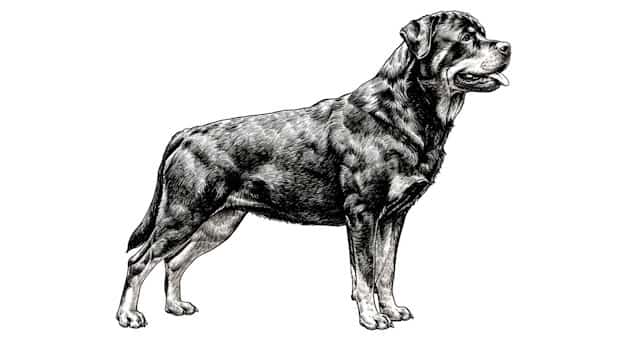
Rottweiler At a Glance
Temperament: Confident, loyal, protective
Breed Type: Large working / guardian dog
Height: 22–27 inches
Weight: 80–135 pounds
Lifespan: 9–10 years
Shedding: Moderate
Exercise Needs: Moderate to high
Good for Families: Yes, with proper training
Best for Owners: Experienced
Origin: Germany
Size: Large
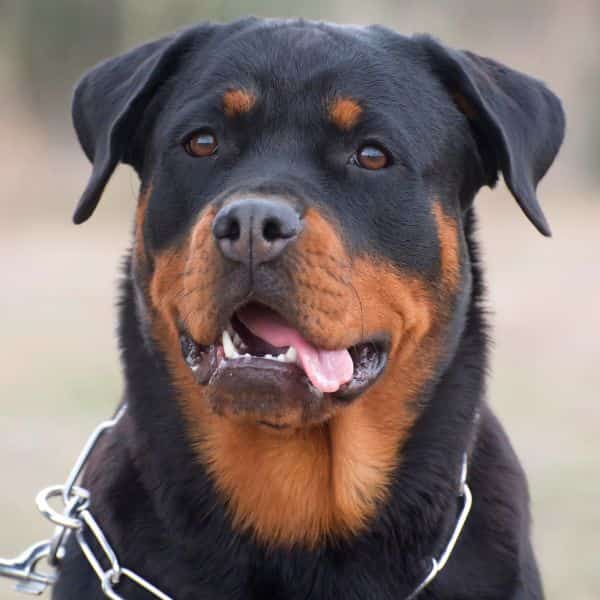
Rottweiler Origin
The Rottweiler derives its name from the German town of Rottweil, where it was originally called the “Rottweiler Metzgerhund” (“butcher’s dog”) for its role in driving cattle and guarding merchants’ money. Its ancestry traces back to the mastiff-type drover dogs used by the Roman Legions to herd livestock across Europe during their conquests. After the Romans retreated, these dogs remained in the Rottweil region, evolving into versatile working dogs for butchers and farmers. Though prized for their strength and intelligence for centuries, the breed declined in the 19th century before enthusiasts revived it, leading to the first official breed standard in 1901.
Rottweiler’s Closest DNA Relatives
In a landmark genomic analyses of 161 dog breeds, the Rottweiler shares DNA with a common ancestor closely related to the Black Russian Terrier, the Leonberger and, to a lesser extent, the Great Dane.
The Rottweiler is an incredibly strong dog.
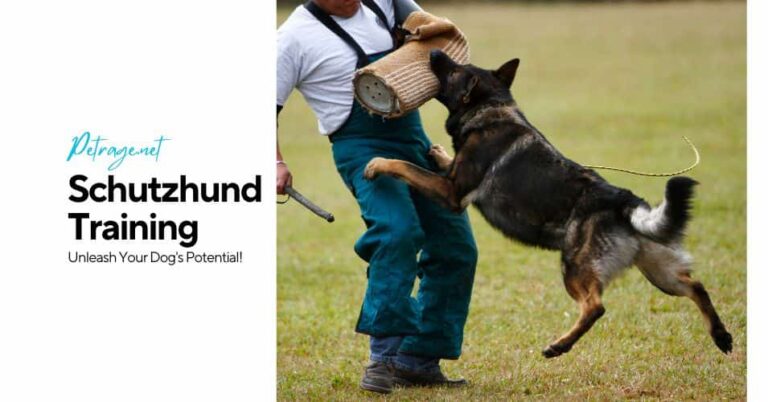
The Rottweiler’s legendary strength is rigorously evaluated in Schutzhund and police certification trials, where they must demonstrate extraordinary pulling power. To pass these demanding tests, a Rottweiler must drag a dead weight of 1,018 pounds (462 kg) across a 97-inch (2.46-meter) course-a feat that showcases their powerful musculature, low center of gravity, and exceptional grip strength. This capability stems from their historical role as cattle-driving dogs and guardians, where brute force and endurance were essential. Beyond sheer power, their intelligence, focus, and trainability make them ideal for high-stakes roles, including police K-9 units, military operations, search and rescue, and personal protection. In fact, Rottweilers are one of the top three breeds preferred by law enforcement worldwide, alongside German Shepherds and Belgian Malinois.
Rottweiler Puppy Growing Up!
Get Your Video Here
Rottweiler Size and Coar Color
The Rottweiler is a substantial, muscular breed that typically stands 24-28 inches (61-71 cm) at the shoulder and weighs 95-135+ pounds (43-61+ kg), with males being noticeably larger than females. According to the FCI and AKC breed standards, Rottweilers must display a distinct black coat with clearly defined rust to mahogany markings on the cheeks, muzzle, chest, legs, and above the eyes. The breed’s nose, lips, and eye rims must always be black-any deviation disqualifies the dog from show rings. While their eyes should ideally be dark brown, some purebred Rottweilers may develop amber or yellow eyes (often called “bird of prey” eyes), though this is considered a serious fault that prevents registration.
How Fast Can a Rottweiler Run?
The AKC conducts 100 yard racing trials each December in Orlando, FL called the Fast Cat. The average running speed for Rottweilers is a little under 23 mph. The fastest speed recorded was by a dog named Giada’s Desert Gold at 29 mph!
Rottweiler Intelligence
In research published in the landmark book entitled “The Intelligence of Dogs” by Stanley Coren, the Rottweiler breed ranks 9th in working/obedience intelligence out of 130 different dog breeds. Essentially, this means that Rottweilers tend to learn new commands in 5 or fewer repetitions. In contrast, dogs at the lowest intelligence level often require over 100 repetitions to learn the same commands!
Rottweiler Temperament and Personality
University of Pennsylvania called the C-BARQ study, has gathered data on over 60,000 dogs and 350 breeds. According to this huge, ongoing study, Rottweilers ranked 8th out of 124 breeds in easiness to train. They are generally very willing to take and learn new commands from their owners and follow them a majority of the time.
Are Rottweiler Aggressive?
In this same research, the Rottweiler ranks 48 out of 124 in aggression towards strangers. This means they are likely to bark, growl or show their teeth when they feel a stranger is “invading” their area or owners area. In severe cases, where they feel threatened, they may lunge, snap or bite. They may also exhibit this same behavior with strange dogs. This is not surprising as the Rottweiler has been bred as a guard dog since the Middle Ages and has strong territorial instincts.

Rottweiler Health and Lifespan
The Rottweiler has an average lifespan of 8–10 years, though some individuals live to 12+ with excellent care. Like many large breeds, they are predisposed to certain health conditions:
Aortic Stenosis (AS)
A congenital heart defect affecting blood flow
Detected via cardiac ultrasound; severe cases may require medication
Hip/Elbow Dysplasia
Affects ~20% of Rottweilers (OFA data)
Weight management and joint supplements (e.g., glucosamine) can help
Cruciate Ligament Rupture
More prevalent in overweight dogs
Often requires surgical repair (TPLO or extracapsular)
Osteochondritis Dissecans (OCD)
Joint cartilage disorder, especially in shoulders
Linked to rapid growth; controlled diets for puppies are critical
Cancer (Osteosarcoma, Lymphoma)
Accounts for ~45% of Rottweiler deaths (Veterinary Cancer Society)
Early signs: Lumps, lameness, unexplained weight loss
JLLP (Juvenile Laryngeal Paralysis & Polyneuropathy)
Rare but serious genetic disorder (onset: 6 weeks–1 year)
Symptoms: Voice changes, exercise intolerance
Why are Rottweilers Banned?
A 2023 Forbes Advisor analysis of 42 major U.S. homeowners insurance providers revealed that three breeds are universally restricted:
100% of insurers exclude these breeds from coverage due to liability concerns.
Pit Bull-type dogs (including American Staffordshire Terriers, Staffordshire Bull Terriers)
Rottweilers
Doberman Pinschers
Secondary frequently banned breeds (60-90% of insurers):
• German Shepherds
• Akitas
• Mastiffs
• Cane Corsos
Why Rottweilers Are Restricted
Insurers cite bite force statistics (328 PSI for Rottweilers vs. 235 PSI for German Shepherds) and historical claim data showing these breeds account for a disproportionate number of severe injury payouts.
Can Rottweilers Swim?
While Rottweilers can swim, they are not natural swimmers like water-retrieving breeds (e.g., Labradors or Newfoundlands). Their dense musculature, heavy bone structure, and compact chest create buoyancy challenges, making swimming more strenuous than for lighter, leaner breeds.
Key Factors Affecting Their Swimming Ability
Body Composition: Weighing 80–135+ lbs (36–61+ kg) with low body fat reduces natural floatation.
Breed History: Bred for herding and guarding—not water work-so they lack the webbed feet or streamlined build of aquatic breeds.
Energy Expenditure: Tire quickly due to high effort required to stay afloat.
Rottweiler: German or American?
A Rottweiler is considered German or American by it’s place of birth. It’s as simple as that. The German-bred Rottweiler tends to be a bit larger, with a larger bone structure. The Allgemeiner Deutscher Rottweiler-Klub (ADRK) registers Rottweilers in Germany and their standards are VERY strict. The AKC standards for registration are not as strict. It can be argued that the German Rottweiler is bred more closely to the breed standard.
Rottweilers are loyal.
Rottweilers are powerful guardians with the soul of a companion-intelligent, deeply loyal, and instinctively attuned to their humans. Don’t be surprised if yours becomes your four-legged shadow, following you room to room with quiet vigilance. Their bond transcends mere affection; Rottweilers are hardwired to protect, often placing themselves between their family and perceived threats. Yet beneath that muscular exterior lies a profound need for closeness. Yes, your 100-pound Rottie may attempt to be a “lapdog” (physics be damned!), pressing against you or resting a heavy head on your knee. This juxtaposition-fierce protector by instinct, gentle companion by choice-is what makes the breed so extraordinary.
Check Your Rottweiler Facts and Take a Fun Rottweiler Quiz!













Interesting Rottweiler Facts – Final Thoughts
Rottweilers are truly remarkable dogs that possess a unique set of qualities and characteristics. As members of the family, they form strong bonds with their owners and thrive on mental stimulation and regular exercise. With their strong work ethic and protective nature, Rottweilers excel as therapy dogs and service dogs, providing both emotional support and physical assistance to those in need. Early socialization and obedience training are essential for shaping a Rottweiler’s temperament and developing their social skills. Positive reinforcement is key to fostering a healthy relationship with this large dog breed, allowing them to flourish as loyal and obedient companions. Whether it’s serving as a therapy dog or simply being a beloved family pet, the Rottie brings joy, love, and strength to the lives of their owners.