Is a Basset Hound the Right Dog for You?
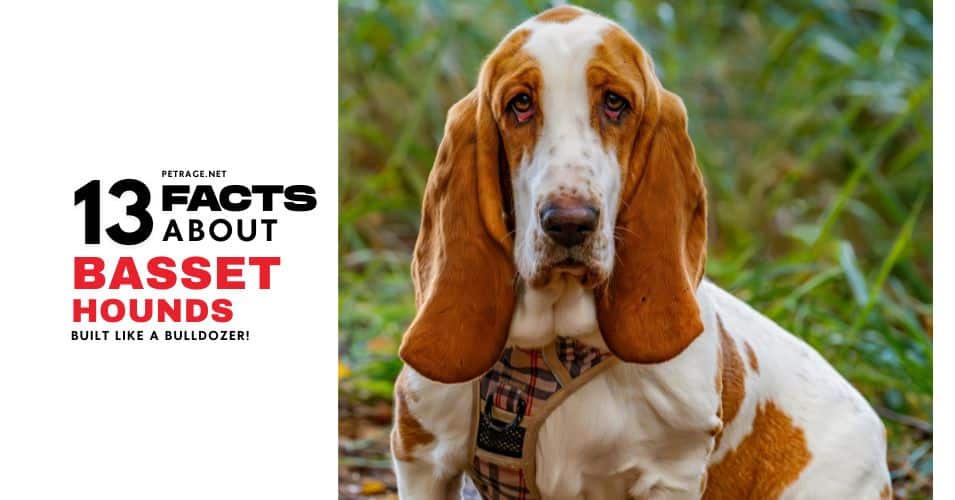
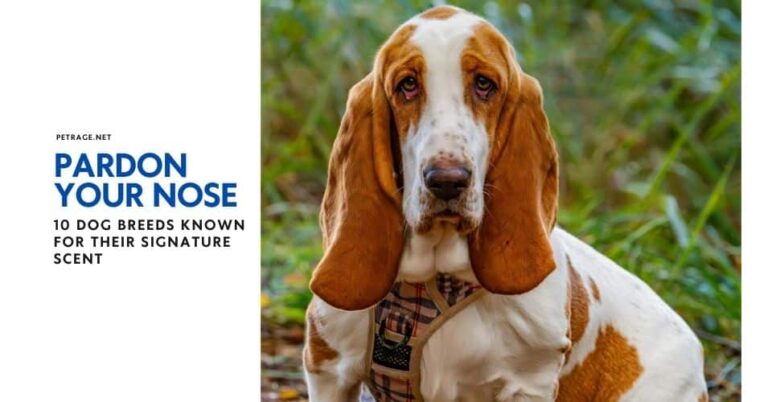
The Basset Hound is a relaxed and affectionate scent hound best known for its remarkable nose and easygoing personality. Originally bred to track small game on foot, Bassets have an incredible sense of smell and a determined tracking instinct. While they often appear calm and laid-back around the house, their independent nature can make training a test of patience. Basset Hounds are typically friendly with people and other dogs, but their strong nose means they can become easily distracted when following a scent. For owners who appreciate a gentle companion with a bit of stubborn charm, the Basset Hound can be a lovable and entertaining addition to the family.
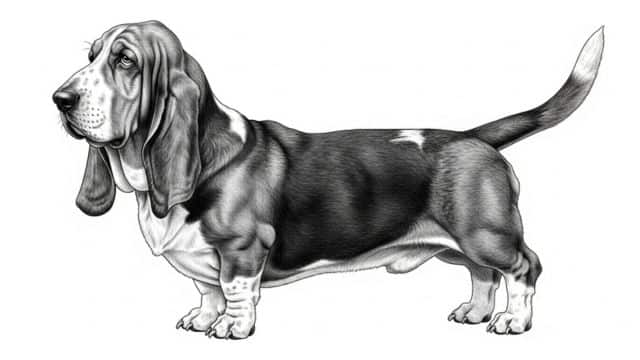
Basset Hound — At a Glance
Temperament: Gentle, laid-back, determined
Breed Type: Scent hound
Height: 11–15 inches
Weight: 40–65 pounds
Lifespan: 10–12 years
Shedding: Moderate
Exercise Needs: Moderate
Good for Families: Yes
Best for Owners: Patient, easygoing households
Origin: France
Size: Medium (low to the ground)
From Medieval France to the Hunting Field: The Basset Hound’s Noble Origin
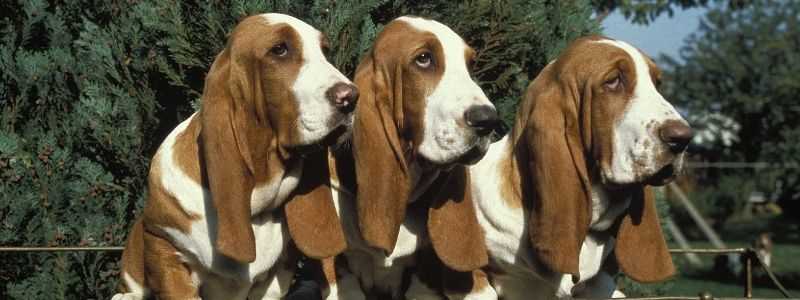
During the Middle Ages in France, the Basset Hound earned its keep as a prized tracking and hunting companion, specializing in rabbits and hare. Unlike the swift, horse-mounted hounds of the aristocracy, Bassets were bred specifically for hunters on foot. Their short legs and deliberate pace allowed humans to keep up easily, while their extraordinary scent discrimination—second only to the Bloodhound—made them relentless trailers of even the coldest or most confusing trails.
From Old French Roots: How the Basset Hound Got Its Name and Signature Build
TEarly French breeders developed several versions of the breed — some with short legs, some with long. The name “Basset” comes from the French word bas, meaning “low” or “short,” a clear nod to the dog’s close-to-the-ground stature. Over time, the short-legged version proved superior for hunters on foot, and that trait became the foundation for today’s breed. Modern Basset Hounds stand no taller than 15 inches at the shoulder and typically weigh between 40 and 65 pounds — a compact, low-set package packed with scenting power.
The Dwarf of the Hunting World: How a Genetic Twist Created the Basset Hound
Both the Basset Hound and the Bloodhound are believed to trace their lineage back to the now-extinct St. Hubert Hound, a legendary breed developed by medieval monks in Belgium. While the St. Hubert Hound more closely resembled today’s Bloodhound in size and build, historians and canine geneticists believe a spontaneous genetic deviation occurred — resulting in a “dwarf” version of the dog. This shorter-legged, low-slung hound might have seemed like an oddity at first, but hunters quickly discovered its immense value. The dwarf’s slow, ground-covering pace allowed hunters on foot to keep up easily, all while its nose remained perfectly positioned near the scent trail. From this fortunate genetic accident, the Basset Hound as we know it was born.
Basset Hound’s Closest DNA Relatives
In landmark research on the development of modern dog breeds, the Basset Hound was shown to have similar DNA with a common ancestor of the following breeds:
Bloodhound
Beagle
Otterhound
Drool, Snore, Howl, and Roam: The Lovably Messy Truth About Basset Hounds
Let’s be real — Basset Hounds drool. They snore (often impressively loudly). And they howl like they’re auditioning for a wolf pack reunion. But honestly? That’s part of their irresistible charm.
Add to the mix a bottomless appetite for anything remotely edible — garbage, cabinet snacks, counter-surfing surprises — and you’ve got a four-legged vacuum cleaner with floppy ears. Because their nose always leads the way, a Basset will happily wander off mid-walk to follow an intriguing scent, completely ignoring your calls like you suddenly don’t exist. And no, they’re not sprinters, but don’t let the short legs fool you — they’re still faster than most owners give them credit for. That’s why the smartest move is to keep them on a leash or inside a securely fenced area. Their nose says “go,” but their safety depends on you.
Nose Knows Best: Where the Basset Hound Ranks Among Scent Detection royalty
The Bloodhound wears the crown when it comes to scent detection, boasting an astonishing 300 million smell receptors. But hot on its trail — well, low to the ground and moving at a deliberate pace — is the Basset Hound, a very close second with 220 million scent receptors. Right behind them, the Beagle follows with just slightly fewer than 220 million. All three of these wonderful scent hounds are sniffing superstars, excelling in tracking, trailing, and any type of scent work you put in front of them. Whether it’s finding a lost person, detecting contraband, or simply locating a dropped crumb from across the room, the Basset’s nose is a force to be reckoned with.
How Fast Can a Basset Hound Run?
The American Kennel Club Conducts Running Trials called the FastCat each December in Orlando, FL. In these 100 yard races, the Basset Hound has an average running speed of of a little over 14 mph. The fastest recorded speed was by a dog named Paris of Creekside at 21 mph.
Growing Up Basset Hound
Get Your Video Here
How Smart are Basset Hounds?
In the landmark book entitled “The Intelligence of Dogs” by professor Stanley Coren, the Basset Hound was ranked as the 71st out of 130 dog breeds in canine intelligence. Essentially, this means a Basset Hound will learn and obey new commands between 80-100 repetitions. In contrast, the brightest breeds will learn and obey commands in 5 repetitions or fewer!
Basset Hound Temperament & Personality
The CBARQ Research Study conducted at the University of Pennsylvania, is a large study on the temperament of over 300 dog breeds. In this research, the Basset Hound ranked 117th out of 124 breeds in easiness to train. One reason for this is that that they also rank very high in stubbornness!
Are Basset Hounds Aggressive?
In this same research, Basset Hound rate very low in aggression towards other dogs, strangers and other small animals. This research would tend to confirm the belief that most Basset Hound have an affectionate nature and are laid back and easy to get along with.
Basset Hound Humor

Lifespan, Floppy Ears, and Health Risks: What Every Basset Hound Owner Should Know
The average Basset Hound lives a solid 10 to 12 years — but some lucky owners have reported their loyal companions reaching up to 18 years of age. That’s a lot of drool, howling, and couch cuddles.
However, those iconic long, floppy ears come with a catch. Because they trap moisture and limit air circulation, Basset Hounds are prone to ear infections. Regular cleaning is essential to keep those velvet ears healthy.
Beyond ear care, the breed is also susceptible to several specific health conditions that responsible owners should watch for:
Lafora disease – a rare genetic disorder affecting the nervous system, leading to seizures and neurological symptoms
Basset Hound Thrombopathia – a bleeding disorder unique to the breed caused by abnormal platelet function
Intervertebral disc disease (IVDD) – a spinal condition common in long-bodied, short-legged dogs that can cause pain or even mobility loss
Webbed Paws, But Not Water Dogs: The Basset Hound’s Swimming Paradox
Those wide, fleshy paws with webbing between the toes aren’t just for looks — they serve three important jobs. First, the webbing acts like a built-in snowshoe, spreading out their massive paws to distribute weight and keep Bassets from sinking into soft mud or dense brush while tracking. Second, it gives their paws extra surface area and strength, making them highly efficient diggers when pursuing burrowing prey like rabbits. Third, those wide, webbed paws help support their incredibly heavy-boned shoulders and broad bodies, providing stability as they lean into a scent trail.
However — and this is critical — being webbed does not make Basset Hounds good swimmers. Their long, low bodies and heavy heads make it difficult to keep their noses above water. Their short legs have to pedal furiously, which drains energy fast. Unlike retrievers, most Bassets have no natural swimming instinct; many actively dislike water. So while those webbed paws are fascinating evidence of their hunting past, never assume a Basset can swim safely. Shallow water only, and always supervise.
Built Like a Bulldozer: Why Basset Hounds Carry Most of Their Weight Up Front
Basset Hounds are heavier-boned relative to their size than many other breeds, and that density isn’t evenly distributed. Due to their unique, achondroplastic build — short legs, deep chest, heavy shoulders, and crooked forearms — Bassets carry approximately 65% of their total body weight on their front end. This disproportionate weight distribution puts significant, ongoing stress on their shoulders, elbows, and wrists.
That front-heavy structure gave them stability for powering through thick brush while hunting, but it comes with a trade-off in modern life. Because those front joints bear the brunt of the load, weight management isn’t optional — it’s essential for long-term joint health. Even a few extra pounds can accelerate arthritis, exacerbate elbow dysplasia, and diminish quality of life. Keeping a Basset lean isn’t about aesthetics; it’s about protecting the very foundation they walk on.
Check Your Basset Hound Facts and Take a Fun Basset Hound Quiz!





Frequently Asked Questions About Basset Hounds
Do Basset Hounds make good family dogs?
Yes. Basset Hounds are gentle, patient, and affectionate, making them excellent companions for families with children. They were bred to work in packs, so they typically get along well with other dogs and even cats. However, their independent nature and low energy level can sometimes frustrate very young children who want a more playful, responsive dog. Supervision is always recommended with any breed around small kids.
Are Basset Hounds difficult to train?
They can be. Bassets are intelligent but famously stubborn and independent. Centuries of breeding as solo scent-hunters taught them to follow their noses — not human commands. This doesn’t mean they can’t be trained; it just requires patience, consistency, and plenty of high-value treats. Positive reinforcement works best. Harsh training methods are ineffective and can damage trust. Early socialization and puppy classes make a significant difference.
Do Basset Hounds bark a lot?
Yes, and they have a surprisingly loud, deep bay that carries quite a distance. Bassets bark and howl to communicate excitement, frustration, alert you to noises, or simply “chat” with other dogs. While they aren’t usually nuisance barkers without reason, their vocal nature can be overwhelming for apartment dwellers or noise-sensitive owners. Training a “quiet” command is highly recommended.
Are Basset Hounds good apartment dogs?
Generally, yes. Despite their loud bark, Bassets are calm and low-energy indoors, making them suitable for apartment living — provided they receive their daily walks. Their medium size (12-15 inches tall, 40-65 pounds) fits comfortably in smaller spaces. However, their tendency to bay and howl could disturb close neighbors, so consider your building’s noise policies before committing.
Do Basset Hounds drool a lot?
Yes, quite a bit. Their loose, hanging lips trap saliva, which then drips out — often after drinking, eating, or even just resting. Many Basset owners keep a “drool towel” handy around the house. While this is normal for the breed, excessive drooling can sometimes indicate dental problems or nausea, so consult your vet if it seems extreme or sudden.
How often should I clean my Basset Hound’s ears?
At least once a week. Their long, floppy ears trap moisture and debris, creating a perfect environment for yeast and bacterial infections. Use a veterinarian-approved ear cleaner and gently wipe the inner ear flap and visible canal. Signs of infection include redness, foul odor, head shaking, or scratching at the ears. If you notice any of these, see your vet promptly.
Are Basset Hounds good with other pets?
Generally, yes. Their history as pack hunters means they typically enjoy the company of other dogs. With proper introduction, many Bassets also live peacefully with cats. However, because they have a strong prey drive, small furry pets like rabbits, guinea pigs, or hamsters may trigger their hunting instincts and should be kept secure.
Quick Facts About Basset Hounds Infographic

Basset Hound Facts – Final Thoughts
Basset Hounds are truly fascinating and unique creatures. From their short stature and loose skin to their wagging tails and unmistakable howls, these dogs have a charm all their own. They won’t win any guard dog awards — they’re far too friendly and sociable for that — but they absolutely excel in endurance, nose work, and loyalty.
With proper care, including a balanced diet and regular exercise to prevent obesity, Basset Hounds can live long and healthy lives. Their short coats make grooming surprisingly easy, and their generally good manners make them a joy to have as family pets. Yes, they drool. Yes, they snore. Yes, they will ignore your calls if an interesting scent crosses their path. But for owners who understand and appreciate their quirks, there is no better companion.