Should You Get an Australian Kelpie?
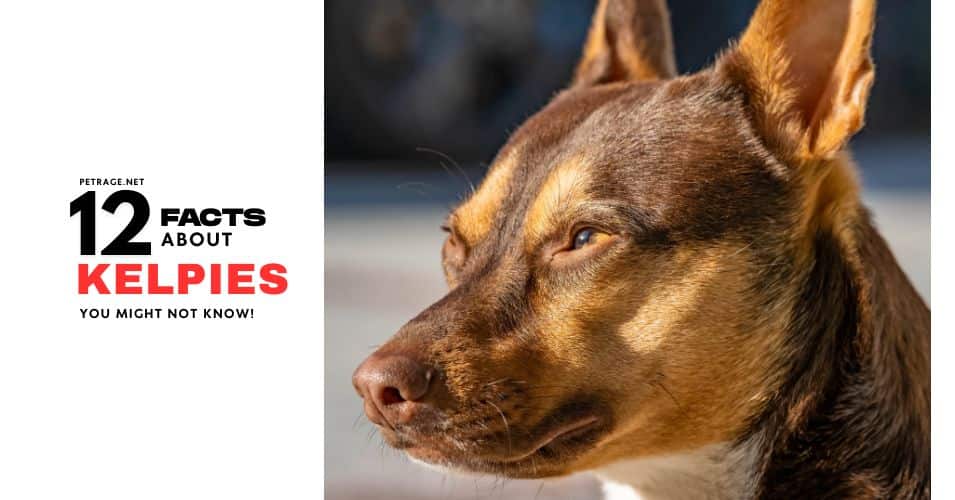
The Australian Kelpie is a true working dog at heart — intelligent, intensely energetic, and built for long days of purposeful activity. Originally developed to manage livestock across vast Australian terrain, Kelpies thrive when given structure, tasks, and constant engagement. Their agility and trainability are impressive, but so is their drive; without enough physical and mental stimulation, they can quickly become restless and destructive. For highly active owners who enjoy training and hands-on involvement, the Kelpie can be an exceptional partner. For those seeking a relaxed companion, this breed may prove far more dog than expected.

Australian Kelpie At a Glance
Temperament: Energetic, intelligent, highly driven
Breed Type: Herding / working dog
Height: 17–20 inches
Weight: 25–45 pounds
Lifespan: 12–15 years
Shedding: Moderate
Exercise Needs: Extremely high
Good for Families: Yes (very active homes)
Best for Owners: Experienced / highly active
Origin: Australia
Size: Medium

Australian Kelpie NOT Related to Dingos
The Australian Kelpie was developed in the late 1800s from a breed of sheepdogs brought to Australia by Scottish immigrants. It was believed that the Kelpie was related to the Dingo but a genomic study conducted at the University of Sydney indicated that the Kelpie had no dingo ancestry. According to research, the Kelpie shares identical DNA to ancestors related to the Border Collie, Bearded Collie and Cardigan Welsh Corgi.
Australian Kelpie Uses
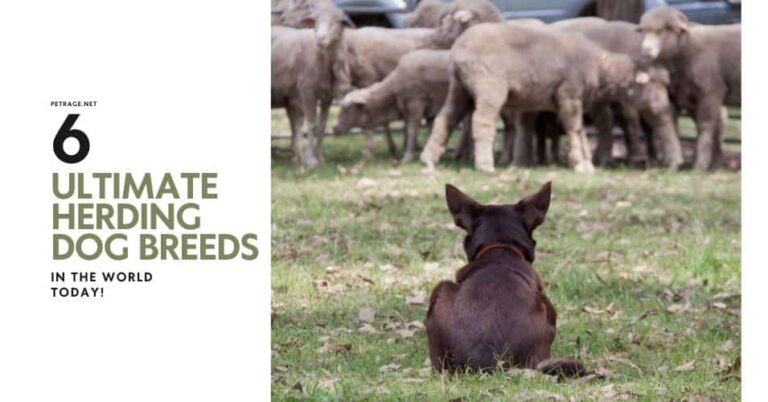
The Australian Kelpie was bred for its ability to work with livestock on the vast plains and open ranges of central Australia. Their stamina allows them to cover 50+ km (30+ miles) in a single day while mustering sheep or cattle. They are so versatile and intelligent that today they are also used in many other capacities:
Search & Rescue (SAR): Their agility, scenting ability, and endurance make them excellent for wilderness and disaster rescue.
Therapy Dogs: With proper socialization, their intelligence and loyalty help them comfort people in hospitals or schools.
Detection Work: Used in drug, explosives, and agricultural biosecurity detection due to their sharp noses and focus.
Service Dogs: Some Kelpies are trained for mobility assistance or autism support, thanks to their problem-solving skills.
Kelpies and Exercise
Kelpies are/were used to muster or herd, a large flock of 100+ sheep from pasture to pasture in large open fields. Some Kelpies work entirely through silent eye contact (known as “eyeing” the sheep), a trait inherited from their British herding ancestors. They are capable working dogs who are also excellent at cattle work and require a lot of physical exercise. With ample mental stimulation, obedience training and enough exercise, they make very good family pets.
Growing Up Kelpie!
Kelpies are Problem Solvers
Though capable of understanding dozens or even hundreds, of commands, the Kelpie is also an independent thinker. Some Kelpies work completely off-leash, responding to whistles or hand signals from far distances. They have a natural instinct to employ innovative methods to problems and challenges. In studies of dog breed temperament, they are rated by owners as “highly trainable” dogs.
Australian Kelpie Size and Coat Color
The Australian Kelpie is a lean and muscular, medium sized dog breed (up to about 50 pounds) of the herding dog type. Kelpies have three distinct coat types, all weather-resistant and low-maintenance:
Smooth – Short, flat, and sleek (most common).
Short – Slightly longer than smooth, with a dense undercoat.
Rough – Longer guard hairs (rare, sometimes seen in working lines).
Color Variations
Their coat colors are diverse, including:
Black (“Barb”) – A solid black Kelpie, male or female, is traditionally called a Barb (named after an early working Kelpie).
Red – From light tan to deep rust, sometimes with speckles (roaning).
Blue/Blue Smoke – A diluted black gene giving a smoky gray-blue hue.
Chocolate/Fawn – Less common but recognized.
Bi-color or Tan Points – Black & tan, red & tan, or sable patterns.
White Markings – Some have white chests, paws, or blazes (though excessive white is rare in working lines).
Working Kelpie vs Show Kelpie
There are two types of Kelpies, the lighter, taller working dogs and the show dogs that generally have pricked ears and come in solid coat colors. Here are the major differences:
| Feature | Working Kelpie | Show Kelpie |
|---|---|---|
| Primary Role | Livestock herding, farm work, dog sports | Conformation shows, companion roles |
| Build | Leaner, taller, more athletic | Stockier, more uniform appearance |
| Ears | Pricked, semi-pricked, or dropped (natural variation) | Almost always pricked (breed standard) |
| Coat Colors | Wide variety (black, red, blue, fawn, chocolate, sable, with/without tan or white) | Usually solid colors (black, red, chocolate) |
| Temperament | High drive, independent, intense focus | Still energetic but slightly calmer |
| Energy Level | Extremely high (needs a job) | High, but more adaptable to routines |
| Breed Standards | Not strictly regulated (ability > looks) | Must meet kennel club standards (e.g., ANKC) |
| White Markings | Common (chest, paws, face) | Rare (considered a fault in shows) |
| Training Needs | Requires advanced mental & physical challenges | Needs structured exercise & training |
| Best For | Farmers, sport competitors, SAR, detection work | Active families, show enthusiasts |

Are Kelpies Aggressive?
In research being conducted by the University of Pennsylvania, called the C-BARQ, Kelpies ranked very high in aggression towards other, UNFAMILIAR dogs. They were ranked 18 of 124 breeds. This is defined as barking, snapping, growling and, in extreme cases, lunging or trying to bite another UNFAMILIAR dog.
More Kelpie Temperament
In this same research study they also rank VERY high in excitability. This is defined as their reaction when getting ready for a walk, a ringing doorbell, visitors coming to the house etc. They came in at 25th out of 124 breeds.
Australian Kelpies are exceptionally intelligent and agile.
They learn commands easily and usually obey them almost immediately. Even so, their herding nature can sometimes cause problems; for example the dog may nip at people’s heels in an attempt to herd them toward another location.
Kelpies at Work!
Kelpie Health
Healthy Kelpies typically live 12–15 years with proper care. They are generally a very hardy breed but there are four health problems worth noting:
Hip Dysplasia – common in many breeds
Luxating patella-unstable knees
Krabbes disease-degenerative disorder of the nervous system
Cerebellar abiotrophy-a genetic neurological disease the effects the dogs ability to move
How Fast can Kelpies Run?
In timed 100-yard dog racing competitions held by the American Kennel Club, the average Kelpie running speed is 27.1 mpg and the fastest speed recorded was just under 28 mph by a Kelpie named The New Guy.
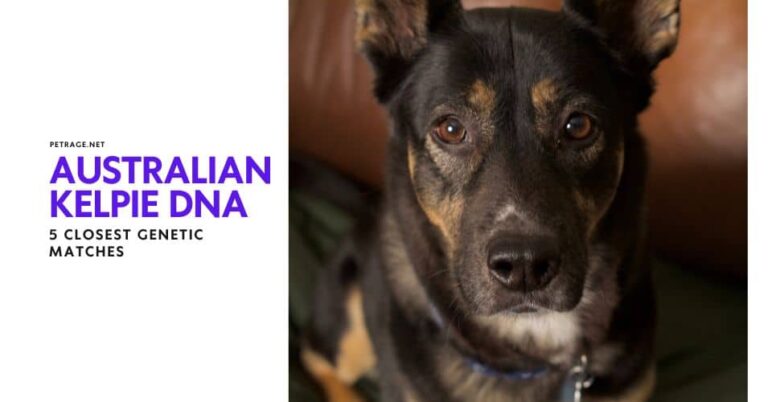
Kelpies Closest Relatives
In Landmark Research on Modern Dog Breed development, the Australian Kelpie has been shown to share the most DNA with an ancestor of the following breeds:
Border Collie
Bearded Collie
Cardigan Welsh Corgi
Check Your Facts about the Australian Kelpie and Take a Kelpie Quiz!




Kelpie Humor!

Kelpie Facts-Final Thoughts
From their origins as hardworking herding dogs on vast acres of land to their adaptability as loyal family pets, Kelpies have proven time and time again that they are more than just good dogs. With the right training and positive reinforcement, Kelpies can excel in various dog sports and activities, showcasing their incredible athleticism and intelligence. However, it’s important to remember that Kelpies thrive when given ample mental and physical stimulation to prevent boredom. So whether you’re looking for a loyal companion or a skilled working partner, a good working Kelpie is sure to impress.