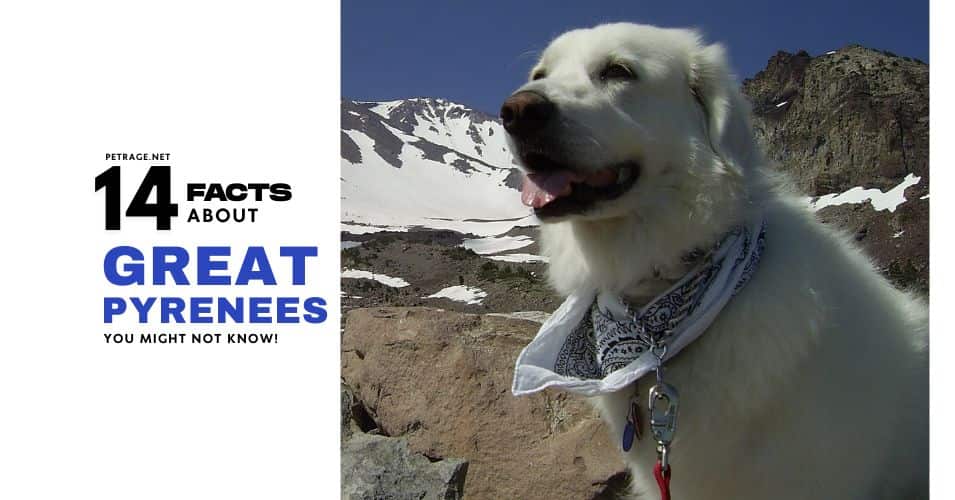
Is the Great Pyrenees Right for You?
The Great Pyrenees is a calm, imposing livestock guardian with a deeply protective instinct and an independent mind. Gentle and patient with children and family members, this breed was developed to think and act on its own while guarding flocks in remote mountain terrain. That independence still defines them today. Great Pyrenees are affectionate with their people but not overly obedient, and they tend to patrol, bark, and make decisions they believe are necessary. If you value a steady, watchful companion and can provide space, structure, and understanding of guardian instincts, the Great Pyrenees can be a loyal and devoted protector.
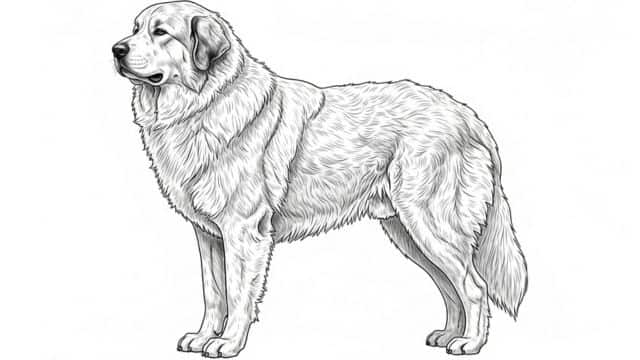
Great Pyrenees — At a Glance
Temperament: Calm, protective, independent
Breed Type: Giant livestock guardian
Height: 25–32 inches
Weight: 85–120+ pounds
Lifespan: 10–12 years
Shedding: Heavy (year-round, seasonal blowouts)
Exercise Needs: Moderate
Good for Families: Yes (naturally nurturing)
Best for Owners: Experienced / space-appropriate homes
Origin: France / Spain (Pyrenees Mountains)
Size: Giant
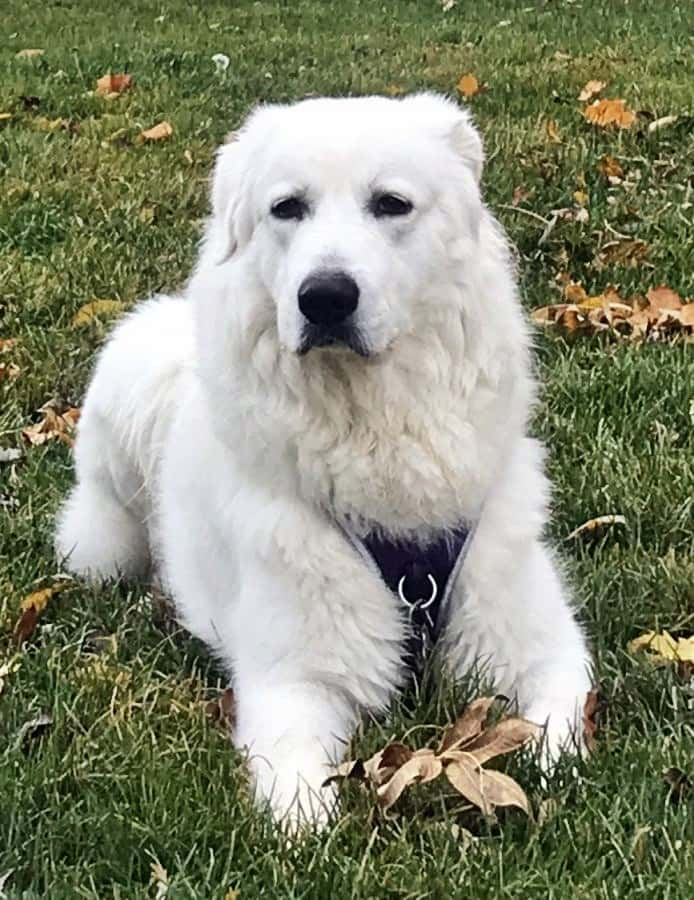
The Great Pyrenees Dog has a Long History.
Fossils of the Great Pyrenees have been found dating between 1800 B.C. and 1000 B.C. t is believed that early ancestors of the breed were brought to the region by Basque shepherds, who migrated from Central Asia. These dogs were essential for guarding flocks against predators like wolves and bears.
The Great Pyrenees Dog is Royalty.
The Great Pyrenees Dog has been a part of many royal families for centuries. They were first seen on mountain ranges between France and Spain between the 16th and 17th centuries. They were owned by Queen Victoria of England and French nobility. By the Middle Ages, the Great Pyrenees became prized as guardians of French châteaux. King Louis XIV declared them the “Royal Dog of France” in the 17th century.
The Great Pyrenees is a Natural Watch Dog.
The Great Pyrenees is a Night Owl. They were bred to guard livestock from wild animals and poachers at night which is why you may see them more active when the sun goes down. Unlike herding dogs, they worked independently, often staying awake to listen and watch for threats. Unlike some breeds that bark at every disturbance, Pyrenees often observe quietly—but will bark loudly if they perceive a real threat. These traits generally make them great watch dogs!
Double Dew Claws
The Great Pyrenees is one of the few purebred dogs in the world that has double dewclaws on their hind legs. It is believed the dog developed this trait to help stabilize them on rough mountain terrains where they often worked. The Fédération Cynologique Internationale (FCI) and other kennel clubs consider double dewclaws a defining breed characteristic.
Great Pyrenees are Escape Artists and Diggers.
Despite their size, they’re surprisingly agile. They can:
Scale fences (especially if the fence is chain-link or has crossbars they can use as a ladder).
Squeeze under gaps (even a small one—they’ll dig to make it bigger).
Push through weak spots (if a fence wobbles, they’ll test it until it gives).
They’re scary smart and will figure out weak spots in fences, gates, or latches. Some even learn to open doors or gates with their paws or noses! If you have a nice lawn, it may not stay nice for long because they like to dig-or just remove the grass to lie in the cool dirt!
How Big is a Great Pyrenees?
The Great Pyrenees is a large dog, with males typically standing 27–32 inches (69–81 cm) tall at the shoulder and weighing 100–130+ pounds (45–59+ kg), while females are slightly smaller but still impressively large. Their thick, weather-resistant double coat is primarily white, but they can have subtle markings in specific shades, which are accepted in breed standards.
Breed Standard Reads:
“White or white with patches appearing grey (badger or wolf) or pale yellow or orange (arrouye) on the head, ears, base of the tail and sometimes on the body. The most appreciated are badger grey patches.”
Growing Up Great Pyrenees
Get a FREE Video of your dog HERE!
The Great Pyrenees were Smugglers.
The Great Pyrenees is also known as the Pyrenean Mountain Dog. They got their name from Pyrenees Mountains, a mountain range between France and Spain where the breed often worked as shepherds and guardians. Beyond guarding flocks, Pyrs were also used to smuggle goods across the French-Spanish border. Their white coats blended with snow, evading detection at night!
How Fast Can a Great Pyrenees Run?
The American Kennel Club (AKC) Conducts Dog Racing Trials each December in Orlando, FL. called the Fast CAT Invitational. This is a 100 yard race where dogs run individually chasing a lure. The average running speed by Great Pyrenees is almost 20 mph. The fastest recorded speed by a Pyr was by a dog named Suepyr Divine Gift at 24.53 mph!
Great Pyrenees are NOT an off Leash Dog.
An off-leash Pyr is a disapyr!” is one of the most accurate (and hilarious) sayings in the dog world-because Great Pyrenees are famously untrustworthy off-leash. Here’s why this independent breed treats recall commands like optional suggestions:
1. They were bred to work independently for hours (or days) without human guidance, Pyrs make their own decisions.
2. They know commands-they just prioritize their mission over your “come here.” (AKA Yelling only makes them wander more slowly.)
3. Their DNA says: “My job is to roam and protect.” They will expand their perimeter to do thier job!
4. They have a strong prey drive.
Great Pyrenees Temperament
The CBARQ Dog Temperament Research study, conducted at the University of Pennsylvania, is a giant study of over 300 dog breeds and 60,000 individual dogs. In this study, the Great Pyrenees ranks 122 out of 124 breeds in excitability. Unlike many other breeds, who become aroused and have a difficult time calming down after a stimulating event, a Pyr will generally remain calm and maintain an even temperament. For example, a knock on the door will set some breeds off while Great Pyrenees may just look up with mild interest.
Great Pyrenees can be Stubborn.
In this Same Research the Great Pyrenees ranks very low (100 out of 124 breeds) in trainability. They may not be the easiest breed to train because of their independent nature and stubbornness. They also rank low in attention seeking behaviors adding to the fact that they tend to be rather independent.
Great Pyrenees Humor!

Great Pyrenees Intelligence
In the Landmark Book entitled, “The Intelligence of Dogs”, professor Stanley Coren researched and documented the intelligence of over 130 different dog breeds. In his book, the Great Pyrenees ranks 64 out of 138 breeds in working/obedience intelligence. Essentially this means they will learn new commands in 40 to 80 repetitions and obey first commands more than 30% of the time. This puts them in the “fair working and obedience intelligence” category. In contrast, the most intelligent breeds will learn the same command in 5 repetitions or less!
The Great Pyrenees Dog is a Relatively Healthy Breed.
One health concern seen in the breed is Degenerative Myelopathy, which is caused by a genetic mutation. It usually occurs at about 9 years of age and results in muscle atrophy and will progress until the dog can no longer support its weight. In one study, almost 12% of Great Pyrenees tested carried the mutation. As with many other large breeds, hip and elbow dysplasia are also common.
The Great Pyrenees Dog Grooming
The Great Pyrenees Dog will need extensive grooming and maintenance. They have a thick double layer coat which is a magnet for leaves, twigs and dirt. They shed quite often, and will need to be brushed at a minimum of once per week. In the spring and summer, they will need to be bathed more often as well. Buy a good vacuum cleaner!
Check Your Great Pyrenees Facts and Take a Fun Great Pyr Quiz!



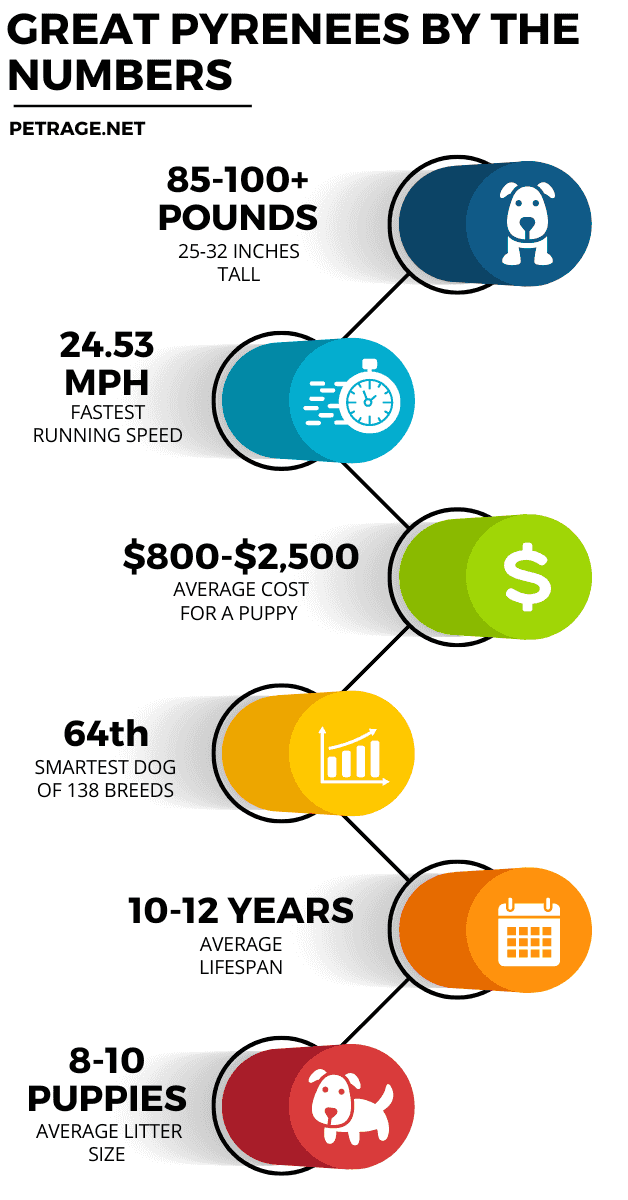
Quick Facts About the Great Pyrenees Infographic
Facts About the Great Pyrenees-Final Thoughts
The Great Pyrenees is truly an extraordinary breed of dog. From their majestic size to their beautiful white coats, they capture the hearts of all who get to know them. As a large breed, they require ample space and exercise to thrive, but their gentle nature and loyalty make them excellent companions. They are a large dog with a high prey drive so leash training is a good idea, or they may try to pull you down the street to chase a squirrel! Their thick, double coats not only provide insulation in harsh weather conditions but also give them a unique appearance that sets them apart from other breeds. While they may require some extra care and attention due to their size and coat, the love and loyalty they offer in return are unmatched.