
Top 20 Safe Fruits for Dogs: Keep Your Pup Healthy
Looking for a healthy, low-calorie treat to reward your pup? Many fruits are not only safe for dogs but are packed with essential vitamins, minerals, and fiber. They can be a fantastic supplement to a balanced diet, especially for dogs needing help with weight management. Antioxidant-rich options like blueberries can even help combat inflammation and support overall health.
However, it’s vital to remember that not all fruits are safe for dogs. Even dog-safe fruits contain natural sugars, so they should only be given as an occasional treat. Veterinarians recommend that all treats, including fruits and vegetables, should make up no more than 10% of your dog’s daily caloric intake. Always introduce any new food slowly and in small amounts to avoid stomach upset.
In this updated guide, we’ll break down the top 20 safe fruits for dogs, detailing their specific health benefits and how to serve them properly. We’ll also highlight what fruits to avoid to keep your pup happy and healthy.
Section I: Safe Fruits for Dogs to Enjoy

Can Dogs Eat Bananas?
Yes, dogs can eat bananas! This popular fruit is a fantastic healthy dog treat, packed with essential nutrients like potassium, vitamin C, and vitamin B6. Its high fiber content can also aid your dog’s digestion, making a small piece a great choice for an upset stomach.
However, due to their high sugar content, bananas should only be an occasional treat. Serve them in small, bite-sized pieces and always avoid the peel, as it is difficult for dogs to digest and could cause a blockage. A good rule of thumb is to offer only a few small slices at a time.

Can Dogs Eat Watermelon? The Ultimate Hydrating Snack
Absolutely! Watermelon is an excellent and refreshing treat for dogs, especially in hot weather. Its composition is over 90% water, making it a fantastic source of hydration for dogs. It’s also low in calories and rich in vitamins A, B6, and C, supporting your pup’s immune system and vision.
Before serving, you must remove all seeds to prevent intestinal blockage and cut away the tough rind, which is a choking hazard and can cause an upset stomach. The best way to serve it is in bite-sized chunks of the fresh, red flesh, or offer a frozen piece for a cooling summer treat.

Can Dogs Eat Strawberries? A Sweet, Vitamin-Packed Treat
Yes, strawberries are a safe and healthy snack for dogs. They are loaded with antioxidants, vitamin C, and fiber, which support your dog’s immune system and digestion. A fun bonus is that they contain an enzyme called malic acid, which can naturally help whiten your dog’s teeth as they chew.
As with all treats, moderation is key due to their natural sugar content. Always wash strawberries thoroughly, remove the stems and leaves, and slice them into small pieces to prevent choking. They can be served fresh or frozen for a refreshing, low-calorie reward.

Can Dogs Eat Blueberries? A Superfood Snack
Absolutely! Blueberries are considered a superfood for dogs, just as they are for humans. They are famously loaded with powerful antioxidants and phytochemicals that research suggests can help fight cancer and heart disease in dogs. They’re also an excellent source of fiber, vitamins C and K, making them a nutritional powerhouse.
Their small size makes them a convenient, low-calorie training treat. You can serve them fresh or frozen—frozen blueberries are a particularly fun and chewy texture for dogs. As always, feed them in moderation to avoid any stomach upset from the high fiber content.

Can Dogs Eat Pineapple? A Tropical, Nutrient-Dense Treat
Yes, dogs can enjoy pineapple! This tropical fruit is a great source of essential nutrients, including vitamin C for dogs, which supports a healthy immune system, as well as potassium, magnesium, and iron. It also contains bromelain, an enzyme that may aid in protein digestion.
It is crucial to only serve fresh pineapple to dogs, as the syrup in canned pineapple is far too high in sugar. Always remove the tough, spiky skin and the hard core, as they are choking hazards and can cause intestinal blockage. Offer only a few small, juicy chunks as a sweet, occasional treat.

Can Dogs Eat Pears? A Crunchy, Heart-Healthy Snack
Yes, pears are a safe and excellent treat for dogs. They are a valuable source of key nutrients like vitamin C, vitamin K, and copper, which contribute to a healthy immune system, bone health, and proper nerve function. Some studies suggest that the high fiber and antioxidant content may even help reduce the risk of stroke in dogs.
Before serving, always wash the pear thoroughly and remove the core and seeds. Pear seeds contain trace amounts of cyanide, which is toxic to dogs. The stem also poses a choking risk. Serve only fresh, ripe pear flesh in small, bite-sized chunks to make a safe and crunchy treat.

Can Dogs Eat Cucumbers? A Hydrating, Low-Calorie Crunch
Yes, cucumbers are an incredibly healthy and hydrating snack for dogs. With a water content over 95%, they are a fantastic low-calorie treat for dogs, ideal for weight management and providing extra hydration. They are also rich in vitamin K and beneficial phytochemicals.
A unique benefit of cucumbers is that their phytochemicals can help fight bacteria in your dog’s mouth, naturally freshening dog breath. Always serve them in moderation to avoid gastrointestinal upset, and be sure to wash them and cut them into safe, bite-sized pieces to prevent any choking hazard.

Can Dogs Eat Pumpkin? The Ultimate Digestive Aid
Yes, pumpkin is one of the best fruits you can offer your dog, especially for digestive health. Canned 100% pumpkin (not pumpkin pie filling) is a powerhouse of soluble fiber and vitamin A for dogs, which is essential for healthy vision, skin, and coat. Its high fiber content makes it a fantastic natural remedy for treating diarrhea in dogs and relieving constipation.
The soft texture of plain canned pumpkin eliminates choking risks and makes it easy to mix into your dog’s regular food. Always ensure you choose a product with no added sugars, spices, or salt. A small spoonful mixed into their meal can work wonders for their digestive system and anal gland health.
Read more about your dogs anal gland health – Dog Scooting? Fix Anal Gland Issues Now.

Can Dogs Eat Melon? A Refreshing, Sugary Snack
Yes, dogs can enjoy certain melons like cantaloupe and honeydew in strict moderation. These melons are over 90% water, making them a wonderfully hydrating treat for dogs on a hot day. They also provide a good dose of vitamins A and C.
However, it’s important to note that cantaloupe and honeydew have a much higher sugar content than other melons like watermelon. Because of this, they should be given very sparingly, especially to diabetic or overweight dogs. Always remove the hard rind and seeds completely to prevent any risk of intestinal blockage or choking before offering a small, ripe piece of the flesh.
Section II: Safe Fruits for Dogs-Approach with Caution

Can Dogs Eat Coconut? Proceed with Care
Coconut flesh and milk are non-toxic to dogs and offer potential benefits, like lauric acid to boost a dog’s immune system and nutrients that support healthy blood cells. However, this fruit must be given with extreme caution.
The high fat content from medium-chain triglycerides can easily cause gastric upset in dogs, including diarrhea or pancreatitis. Some studies also suggest it can elevate cholesterol levels. If you offer it, provide only a tiny amount of unsweetened, fresh flesh and monitor your dog closely for any digestive distress. Coconut oil should be used even more sparingly under veterinary guidance.

Can Dogs Eat Mango? A Sweet Treat with Risks
Yes, dogs can eat the fleshy part of a mango. This tropical fruit is packed with vitamins A, B6, C, and E, making it a nutrient-dense snack. However, it is high in sugar, so it should only be a very occasional treat.
It is crucial to properly prepare mango for dogs. The skin is difficult to digest and can cause allergic reactions, and the hard pit is a serious choking hazard and contains small amounts of cyanide. Always peel the fruit, remove the pit, and cut the flesh into small chunks. For the first time, only offer a tiny amount to test for allergic reactions before giving more.

Can Dogs Eat Raspberries and Blackberries?
Yes, but with significant caution. While these berries offer antioxidants and are low in sugar, they contain trace amounts of xylitol, an artificial sweetener that is highly toxic to dogs. The xylitol content is low enough that a few berries are generally considered safe for most dogs, but the risk increases with the quantity consumed.
Due to this potential danger, it is strongly recommended to choose safer fruit alternatives. If you do offer one or two, ensure it is from a cultivated source, as wild berries can be poisonous and are never safe to feed. Always monitor your dog closely and consult your veterinarian if you have any concerns.

Can Dogs Eat Citrus Fruit?
Dogs can technically eat the fleshy inner fruit of oranges, tangerines, or clementines in very small quantities. However, the high acidity can easily cause acid reflux in dogs and lead to stomach upset, including vomiting or diarrhea.
The peels, seeds, leaves, and stems contain higher concentrations of psoralens and essential oils, which are toxic and can cause more severe gastrointestinal upset in dogs and even central nervous system depression. It’s best to avoid lemons, limes, and grapefruits entirely due to their stronger acidity and higher risk. If you offer a small segment of a sweet orange, monitor your dog closely for any adverse reaction.

Can Dogs Eat Peaches?
Yes, the soft flesh of a peach is safe and can be a sweet, vitamin-rich treat for dogs in moderation. It provides vitamin A and fiber for dogs, which support healthy vision and digestion.
The significant danger is the peach pit, which is a severe choking hazard and also contains trace amounts of cyanide. Furthermore, the pit can cause intestinal blockage if swallowed. Always wash the fruit, remove the pit, and cut the flesh into small pieces. Never feed canned peaches, as the sugary syrup is unhealthy for dogs. Stick to fresh, ripe peach in tiny amounts.

Can Dogs Eat Apples? A Crunchy, Vitamin-Packed Snack
Yes, apples are an excellent healthy treat for dogs. They are a great source of vitamin C and fiber for dogs, which can aid digestion and contribute to healthy skin and a strong immune system. The crunchy texture can also help clean your dog’s teeth as they chew.
It is absolutely essential to always remove the core and seeds. Apple seeds contain amygdalin, which releases cyanide when digested and is toxic to dogs. Serve only fresh, washed apple slices without the core. This prevents both a choking hazard and exposure to harmful compounds. Avoid canned apples or apple pie filling due to their high sugar content.
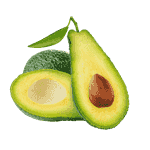
Can Dogs Eat Avocado? A High-Risk Fruit
Avocado is a controversial fruit for dogs and should be approached with extreme caution. The flesh contains persin, a fungicidal toxin that is highly poisonous to many animals. While the highest concentration is in the pit, skin, and leaves, the flesh itself also contains this compound.
While a very small amount of the inner flesh might not harm a large dog, the risk of persin poisoning in dogs and the high fat content, which can cause pancreatitis, makes it a fruit to generally avoid. The large pit is also a severe choking hazard and can cause a life-threatening intestinal blockage. It is safest to choose a less risky treat for your pet.

Can Dogs Eat Tomatoes? Know the Risks
Yes, but only under very specific conditions. A small amount of ripe, red tomato flesh is generally considered safe for dogs and contains beneficial nutrients like lycopene, which supports heart health.
However, tomatoes are part of the nightshade family. Their green parts—including the stems, leaves, and unripe green tomatoes—contain toxic compounds called solanine and tomatine, which are harmful to dogs. These toxins can cause gastrointestinal upset, weakness, or more serious symptoms. To be safe, only offer a small piece of the ripe red fruit, ensuring all green parts are completely removed. Many veterinarians recommend avoiding them altogether to eliminate any risk.

Can Dogs Eat Papaya? A Digestive Aid with a Catch
Yes, the ripe, orange flesh of a papaya is safe and can be a healthy treat for dogs. It is rich in digestive enzymes like papain, which can aid digestion in dogs and help soothe an upset stomach. It also provides essential vitamins and fiber.
However, it’s crucial to always remove the seeds, as they contain trace amounts of cyanide. The high enzyme and fiber content can also cause intestinal distress, like diarrhea, in some dogs if fed in large quantities. Introduce this tropical fruit slowly, in very small, seedless portions, and monitor your dog’s reaction.
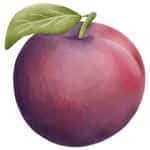
Proposed Title: Can Dogs Eat Plums? A High-Risk Pit Hazard
The flesh of a ripe plum is non-toxic, but the risks far outweigh the benefits. Like peaches and cherries, the plum pit is a major choking hazard and contains cyanide. The high sugar content can also cause an upset stomach. Furthermore, the pit’s size and slippery surface make it easy for a dog to swallow accidentally. It is generally safest to avoid this fruit altogether and choose a less risky option.

Can Dogs Eat Cranberries? A Tart, Urinary-Tract Helper
Yes, both fresh and dried cranberries are safe for dogs in very small quantities. They are known for supporting urinary tract health in dogs due to a compound that prevents bacteria from adhering to the bladder wall. However, their extreme tartness and acidity can cause stomach upset. They must be served plain—never sweetened, as in sauces or juices, which contain harmful excess sugar. A few as an occasional treat is the safest approach.
Section III: Fruits that are NOT Safe for Dogs to Eat

Can Dogs Eat Grapes or Raisins? Absolutely Not.
No, dogs should never eat grapes or raisins. They are highly toxic and can cause rapid kidney failure in dogs. The toxic substance, tartaric acid, is present in all types of grapes—seedless, seeded, green, red, and those used in baking—regardless of the source or variety.
It is crucial to distinguish the fruit from grape seed extract, which is a safe and beneficial supplement for dogs due to its antioxidants. However, the fruit itself is dangerously poisonous. Even a small amount can be lethal, so immediate veterinary care is required if your dog consumes any.

Can Dogs Eat Cherries? A Definite No.
No, dogs should not eat cherries. While the fleshy part around the pit contains less toxin, all parts of the cherry plant—including the stems, leaves, and pits—contain cyanogenic glycosides, which can release cyanide when digested and are highly toxic to dogs.
Even if the pit is avoided, the cherry flesh itself is a common cause of stomach upset in dogs, including vomiting and diarrhea. The pit also presents a serious choking hazard and risk of intestinal blockage. Due to these significant risks, it is safest to completely avoid feeding any type of cherry to your dog.

Can Dogs Eat Rhubarb? A Garden Danger
No, dogs should never eat rhubarb. While often used in desserts as a fruit, it is technically a vegetable. Its leaves contain soluble calcium oxalate crystals and oxalic acid, which are highly toxic to dogs, causing rapid kidney failure, vomiting, diarrhea, and drooling. While the stalk has lower toxicity, it still poses a significant risk and should be completely avoided to ensure your pet’s safety.
Safe Fruits for Dogs-Final Thoughts
Offering your dog fruit can be a wonderful way to reward them with a vitamin-packed, hydrating snack. From the antioxidant power of blueberries to the digestive aid of pumpkin, the safe fruits for dogs on this list provide fantastic health benefits when chosen wisely.
Remember, the key is moderation and preparation. Even safe fruits are treats and should never make up more than 10% of your dog’s daily calories. Always wash fruits thoroughly, remove all pits, seeds, stems, and rinds, and introduce any new food slowly to avoid stomach upset.
For a complete picture of pet safety, it’s just as crucial to know what to avoid. Always be aware of toxic foods for dogs, like grapes and avocados. You can expand your knowledge on what to keep out of paw’s reach by reading our companion guide on 15 Plants That Are Toxic to Dogs.