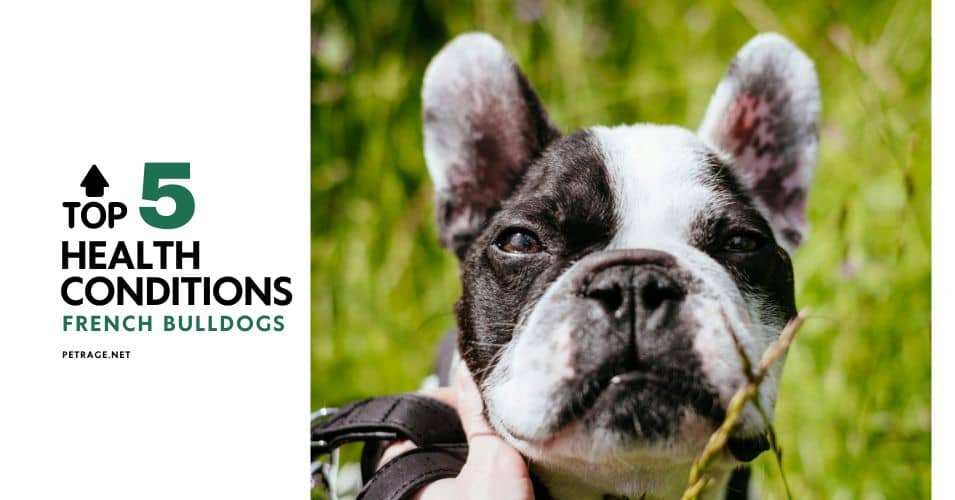
French Bulldogs are adorable, affectionate, and full of personality, but like any dog breed, they have their own set of health challenges. As a Frenchie owner (or future owner), it’s important to understand the common health problems these lovable pups face so you can keep them happy and healthy for years to come.
From breathing difficulties to spinal issues, French Bulldogs are prone to certain genetic conditions that can impact their quality of life. With the right care, early detection, and a few simple lifestyle changes, you can help prevent or manage some of these health concerns.
In this brief guide, we’ll walk you through the top five most common health issues in French Bulldogs and share practical tips on how to prevent or manage them. Whether you’re looking for advice on how to help a Frenchie with breathing problems, prevent back injuries, or spot early signs of illness, we’ve got you covered!

#1. Brain Disorders in French Bulldogs
Conditions such as epilepsy or other neurological issues can lead to seizures and other complications. A study found that brain disorders accounted for approximately 11.9% of deaths in French Bulldogs, with a median age at death of 2.1 years.
How to Treat French Bulldog Epilepsy
- Regular Vet Check-Ups: Early diagnosis can help manage neurological conditions.
- Monitor for Seizures: If your dog has seizures, keep a record of frequency and triggers.
- Use Prescribed Medications: If diagnosed, follow the vet’s medication plan strictly.
- Reduce Stress: Keep a calm environment, as stress can trigger seizures.

#2. Spinal Cord Disorders in French Bulldogs: Preventing IVDD and Mobility Problems
French Bulldogs are susceptible to spinal problems like Intervertebral Disc Disease (IVDD), which can cause pain, mobility issues, and even paralysis. These disorders were responsible for about 9.5% of deaths, with a median age at death of 4 years.
Best Ways to Prevent Back and Spinal Injuries in French Bulldogs
- Avoid High Jumps & Rough Play: Limit activities that strain the spine.
- Use Supportive Beds & Ramps: Provide orthopedic bedding and use ramps for furniture.
- Keep a Healthy Weight: Obesity increases pressure on the spine.
- Regular Low-Impact Exercise: Short walks and swimming can help maintain strength.
#3. Respiratory Problems in French Bulldogs
Due to their short-nosed (brachycephalic) structure, French Bulldogs often experience breathing difficulties, known as Brachycephalic Obstructive Airway Syndrome (BOAS). This can lead to severe respiratory distress and was identified as a cause of death in approximately 7.1% of cases, with a median age at death of 2.5 years.
Managing Brachycephalic Airway Syndrome (BOAS) in French Bulldogs
- Avoid Overheating: Keep your dog cool, especially in warm weather.
- Limit Intense Exercise: Short walks in cool temperatures are best.
- Use a Harness Instead of a Collar: Collars put extra strain on their airway.
- Consider Surgery if Recommended: Some dogs benefit from airway surgery for better breathing.
#4. Cancer in French Bulldogs
French Bulldogs can develop various types of tumors, both benign and malignant. Mass lesions accounted for about 7.1% of deaths, with a median age at death of 7 years.
Early Detection and Supportive Care for Cancer
- Regular Vet Examinations: Early detection increases treatment success.
- Check for Lumps and Bumps: Regularly feel your dog’s body for abnormalities.
- Feed a High-Quality Diet: Antioxidant-rich, high-protein diets may help.
- Avoid Environmental Toxins: Limit exposure to smoke, pesticides, and chemical-laden foods.
#5. Ear Infections in French Bulldogs: Causes, Symptoms, and Prevention Tips
While not always fatal, chronic ear infections are common in French Bulldogs and can lead to significant discomfort and complications if left untreated. A study reported that 14% of French Bulldogs suffered from ear infections.
Treating Ear Infections In French Bulldogs
- Clean Ears Regularly: Use vet-approved ear cleaners to prevent buildup.
- Dry Ears After Bathing or Swimming: Moisture promotes infections.
- Monitor for Signs: Watch for head shaking, redness, or odor.
- Visit the Vet for Persistent Issues: Chronic infections may need medication.

Frequently Asked Questions (FAQs) About French Bulldog Health
What is the average lifespan of a French Bulldog?
The average lifespan of a French Bulldog is typically between 10 to 12 years. However, this can be shortened by the health issues mentioned above. Providing excellent veterinary care, maintaining a healthy weight, and managing breathing issues can significantly extend their life.
Are French Bulldogs high maintenance?
Yes, they are considered high-maintenance in terms of health care. They require careful monitoring in hot weather, regular ear cleaning, and financial readiness for potential surgeries (like BOAS correction or IVDD treatment). However, their grooming needs are low.
Can French Bulldogs swim?
Generally, no. Due to their heavy chests, large heads, and short muzzles, they are poor swimmers and can easily sink. They should never be left unattended near pools or deep water. If you want to let them exercise in the water, they must wear a life jacket and be closely supervised.
Why do French Bulldogs fart so much?
Flatulence is very common in Frenchies due to their brachycephalic (flat) faces. They swallow a lot of air when eating, and they often have sensitive stomachs. Using a slow-feeder bowl, avoiding human food, and feeding a high-quality, easily digestible diet can help reduce gas.
Is it better to get pet insurance for a French Bulldog?
Absolutely, yes. Given the high cost of treating IVDD (which can cost between $5,000 and $10,000) and airway surgeries, pet insurance is a must-have for this breed. We strongly recommend getting insurance when your Frenchie is a puppy, before any pre-existing conditions are noted.
Do all French Bulldogs have breathing problems?
Not all, but the vast majority have some degree of Brachycephalic Obstructive Airway Syndrome (BOAS) due to their skull structure. Symptoms range from mild snoring to severe exercise intolerance. A veterinarian can grade the severity of BOAS and recommend whether surgical intervention is necessary.
What are the early signs of IVDD in French Bulldogs?
Early signs include reluctance to jump, a hunched back, yelping when touched, stiffness, and weakness in the back legs. If you notice any of these symptoms, contact your vet immediately—early intervention with strict crate rest or surgery offers the best outcome.
How often should I take my French Bulldog to the vet?
For adult French Bulldogs, annual wellness exams are essential. For puppies and seniors (over 7 years), bi-annual visits are recommended. Given their predisposition to multiple conditions, routine bloodwork and physical exams are critical for early detection.
Final Thoughts-Top 5 Health Issues in French Bulldogs
French Bulldogs are prone to several genetic health issues, including breathing difficulties, spinal problems, epilepsy, cancer, and ear infections. While these conditions can impact their quality of life, early detection, proper care, and a few lifestyle adjustments can make a big difference. In this guide, we’ve covered the top five most common health concerns in French Bulldogs and provided practical tips to help prevent or manage them. With the right knowledge and care, you can keep your Frenchie happy, comfortable, and healthy for years to come!
Most of our images are provided by users. You can see the Frenchie User Gallery and share a photo of your pup!