Key Highlights
- By the Numbers: We dive into the latest prevalence studies to show you exactly which breeds are at highest risk for specific eye conditions.
- Shocking Stats: Did you know certain breeds have a cherry eye risk 34 times higher than average? We break down the odds.
- Beyond the standard vet visit: What is OFA CAER testing and why should you care?
- The role of genetics: How DNA tests are helping breeders eliminate inherited disease.
- Plus: An extensive FAQ answering the top questions about genetic eye testing and breed-specific risks.
The Genetic Link: Breed-Specific Eye Problems in Dogs
While any dog can get an eye infection, some eye diseases are written into a dog’s DNA. If you own a specific breed—or are looking to bring a puppy home—understanding these hereditary risks is the best way to protect their vision for life. Let’s look at why some breeds struggle more than others, supported by the latest research, and how modern science is helping us fight back.
Why Breed Matters: A Look at the Data
A dog’s physical structure and genetic makeup play a huge role in eye health. Recent studies have begun to quantify just how significant these risks are.
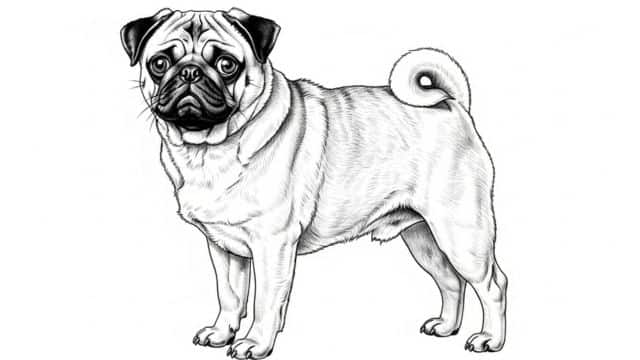
Brachycephalic (Flat-Faced) Breeds: Dogs like Pugs, Bulldogs, and Shih Tzus have shallow eye sockets and prominent eyes. A major UK study of over 905,000 dogs found that brachycephalic breeds had 6.71 times the risk of developing cherry eye compared to breeds with medium skull length . This makes them prone to injuries, corneal ulcers, and exposure issues like dry eye.
Breeds at Risk for Dry Eye (KCS): Keratoconjunctivitis Sicca (KCS) doesn’t affect all breeds equally. Research from Taiwan analyzing 201 cases found that just three breeds—Shih Tzu, Maltese, and American Cocker Spaniel—accounted for a striking 59.2% of all cases . Similarly, a European study highlighted that in breeds like the West Highland White Terrier, Cavalier King Charles Spaniel, Cocker Spaniel, and Bulldogs, the incidence of KCS can reach 10-20%.

Cherry Eye: Quantifying the Risk
Thanks to large-scale research from the Royal Veterinary College’s VetCompass Programme, we now have precise data on cherry eye (prolapsed nictitating membrane gland). The study, which tracked 905,553 dogs, found the overall annual prevalence of cherry eye to be 0.20% (1 in 500 dogs) . However, for some breeds, the risk is dramatically higher.
Here is the prevalence data for breeds most at risk :
| Breed | Annual Prevalence | Risk Compared to Crossbred Dogs |
|---|---|---|
| Neapolitan Mastiff | 4.9% | 34.3x higher |
| English Bulldog | 4.8% | 24.1x higher |
| Puggle (Pug x Beagle) | 2.1% | 9.5x higher |
| Lhasa Apso | 1.6% | 12.4x higher |
| American Cocker Spaniel | 1.5% | 11.6x higher |
| Jug (Jack Russell x Pug) | 1.2% | 5.2x higher |
The study also revealed that purebred dogs have 1.43 times the risk of developing cherry eye compared to crossbred dogs, and that dogs under one year of age are at the greatest risk (10.8 times higher than adult dogs).
Primary Glaucoma: Breeds Under Pressure
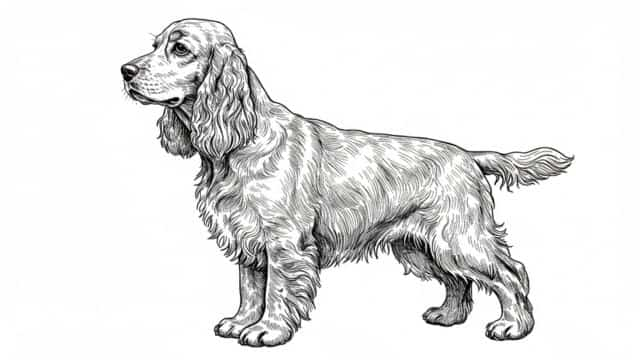
Glaucoma is another condition with strong breed links. A 10-year retrospective study from Seoul National University (2011-2020) reviewing over 14,000 dogs found that American Cocker Spaniels and Shih Tzus had the highest incidence of primary glaucoma, with peak onset around 7 to 8 years of age . The Canine Genetics Centre estimates that over 40 breeds are affected by primary glaucoma, with approximately 1,500 dogs developing the condition in the UK each year.
Spotlight on Collie Eye Anomaly (CEA)
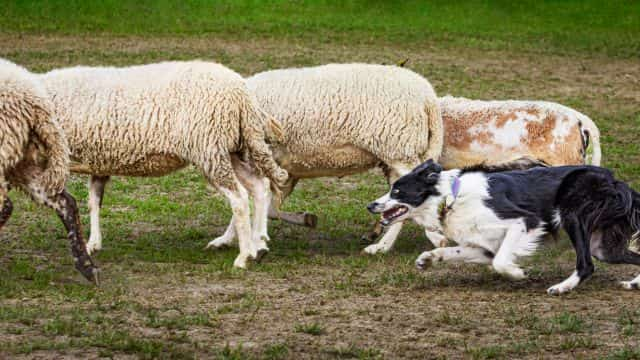
Some conditions are so specific to a breed they are named after them. Collie Eye Anomaly (CEA) is a hereditary condition affecting Collies, Shetland Sheepdogs, Border Collies, and Nova Scotia Duck Tolling Retrievers.
A major Italian study of over 20,000 purebred dogs undergoing eye certification exams revealed that CEA was the most common inherited eye disease, accounting for 29.01% of all diagnosed hereditary eye lesions . It is a developmental defect where the blood supply to the eye doesn’t form correctly. In mild cases, vision is unaffected, but in severe cases, it can lead to retinal detachment and complete blindness. The scary part? There is no treatment, which is why screening breeding dogs is non-negotiable for these breeds.

The Power of Genetic Testing
We no longer have to wait for symptoms to appear to know if a dog is at risk. Genetic testing has revolutionized canine health.
A simple cheek swab can now screen for mutations linked to specific diseases, including:
- Progressive Retinal Atrophy (PRA)
- Primary Lens Luxation
- Primary Open-Angle Glaucoma (POAG)
- Multifocal Retinal Dysplasia
For Breeders: This testing allows them to make informed breeding decisions. By ensuring they don’t breed two carriers together, they can prevent the disease from ever appearing in their puppies.
For Buyers: It provides peace of mind. Responsible breeders will share these test results openly.

The OFA CAER Exam: The Gold Standard
Genetic tests don’t catch everything. This is where the OFA CAER (Companion Animal Eye Registry) exam comes in. This is an annual screening performed by a board-certified veterinary ophthalmologist.
If you are buying a puppy, especially from a high-risk breed, you should ask to see the parents’ OFA CAER numbers. This certification proves that at the time of the exam, the parents were free from visible signs of inherited disease, including:
- Cataracts
- Glaucoma
- Retinal Dysplasia
- Progressive Retinal Atrophy (PRA)
- Lens Luxation
- Persistent Hyperplastic Primary Vitreous (PHPV)
The Orthopedic Foundation for Animals (OFA) strongly recommends against breeding any dog diagnosed with these conditions, as they can lead to blindness and suffering in future generations.
Final Thoughts for Owners
Whether you’re choosing a new puppy or caring for a senior dog, knowledge is power. The data is clear: certain breeds face significantly higher risks for specific eye conditions. If you own a breed mentioned in this article, make sure your vet knows. They may recommend more frequent check-ups or baseline tests to catch problems early.
By combining good nutrition, regular veterinary eye exams, understanding your dog’s genetic blueprint, and asking breeders for OFA CAER certification, you can give them the best chance at a lifetime of clear vision.

Frequently Asked Questions About Breed-Specific Eye Issues
How do I find out if my dog’s breed is prone to eye problems?
Start by consulting your national kennel club or breed-specific club—they often maintain health resources. You can also check the OFA website (ofa.org) , which maintains breed-specific statistics from CAER examinations. Your veterinarian is also an excellent resource; they see breed trends in their practice and can advise you on what to watch for.
What is the difference between a genetic test and a CAER eye exam?
They serve different purposes. A genetic test (from a cheek swab) looks for specific DNA mutations that cause disease. It can tell you if a dog is a carrier even before symptoms appear. A CAER exam is a physical examination by a veterinary ophthalmologist that looks for visible signs of eye disease. Both are important—genetic tests catch the predisposition, while CAER exams catch the actual development of disease.
At what age should I have my dog’s eyes screened?
For breeds prone to hereditary issues, screening can begin as early as 8-12 weeks of age for conditions present at birth (like Collie Eye Anomaly). For the CAER registry, annual exams are recommended. Many breeders screen their breeding stock annually and will share those results with puppy buyers.
My dog is a mixed breed. Should I still worry about genetic eye issues?
Mixed breeds are generally at lower risk for breed-specific conditions (purebred dogs have 1.43x the risk of cherry eye, for example) . However, if your mixed breed has strong lineage from a high-risk breed (like a Pug mix), they may still inherit some of those predispositions. Discuss your dog’s specific background with your vet.
If a breeder shows me OFA CAER numbers, what am I looking for?
You want to see that the parents were examined within the last year and that the “Results” section says “Normal” or “Unaffected.” If it lists any diagnosis (like “Cataract” or “PRA”), that means the dog has that condition and should not be bred. The OFA recommends against breeding any dog with inherited eye diseases that can lead to blindness .
Are certain eye conditions more common in male or female dogs?
It varies by condition. Some studies suggest females may be slightly more predisposed to certain types of glaucoma , while a large Italian study found that of dogs affected by hereditary eye diseases, 56.62% were females and 43.38% were males . For dry eye, one study found no statistical difference between sexes . The breed itself is usually a stronger predictor than sex.
What is the single most common hereditary eye disease in dogs?
Based on recent large-scale data from Europe, Collie Eye Anomaly (CEA) was the most frequently diagnosed inherited eye condition, accounting for 29% of all hereditary eye lesions in certified purebred dogs . However, this is highly breed-specific; in non-Collie breeds, conditions like cataracts, retinal dysplasia, and persistent pupillary membranes are more common.
How much does genetic testing for eye disease cost?
Prices vary, but individual breed-specific tests typically range from $50 to $150 per test. Some companies offer health panels that screen for multiple diseases (including eye conditions) across many breeds for a bundled price ranging from $100 to $200. It’s a one-time cost that provides lifetime health information.