
Is a Weimaraner the Right Breed for You?
The Weimaraner is a breed that rarely goes unnoticed. With their sleek silver-gray coat, piercing eyes, and unmistakable presence, they look every bit as athletic as they truly are. Originally developed as a high-performance hunting companion, Weimaraners are intelligent, intensely energetic, and deeply attached to their owners. That combination makes them incredibly rewarding for active households — and overwhelming for sedentary ones. This is a breed that demands engagement, exercise, and consistent structure to stay balanced and happy.
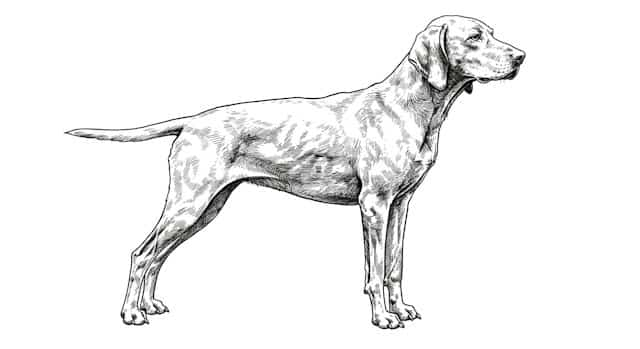
Weimaraner At a Glance
Temperament: Energetic, loyal, highly alert
Breed Type: Large sporting / hunting dog
Height: 23–27 inches
Weight: 55–90 pounds
Lifespan: 10–13 years
Shedding: Low to moderate
Exercise Needs: Very high
Good for Families: Yes (active homes)
Best for Owners: Active or experienced owners
Origin: Germany
Size: Large
Check out our About the Weimaraner Video.

Weimaraner Origin
The Weimaraner breed originated in Weimar, Germany in the early 19th century. Their namesake, Duke of Weimar, was an avid sportsman who sought to create the perfect hunting dog. His vision was to cross-breed Bloodhounds with German and French hunting dogs, and to make the result a versatile dog for big game hunters.
Weimaraner’s With Stripes?
Weimaraner’s are born with beautiful dark tiger stripes, but these don’t last long. They disappear in a matter of days as the puppy’s coat develops into its adult color, which is typically a solid shade of silver, grey, or blue-grey. They are also born with blue eyes that gradually transition to their adult color, which can range from light amber, grey-blue, or a unique hazel-like shade. This change typically occurs over the first few months of life.

Weimaraner’s Will Out-Smart You!
Weimaraner’s are clever dogs some people even call them “the dog with a human brain”. If you want to keep up with your hound, start training them from day one. The breed’s intelligence is high and they will outsmart you without enough mental exertion! A bored Weimaraner is a master escape artist, chewer, or counter-surfer. But with consistent training, mental challenges, and plenty of exercise, they become loyal, affectionate, and brilliantly well-behaved companions.
Weimaraner AKA Grey Ghost
Weimaraner’s are often called the gray ghost for two reasons. One is the color of their coat, but also because the have a very silent, stealthy hunting style. Unlike loud, baying hounds (like Beagles or Coonhounds), Weimaraner’s were bred for silent, methodical tracking.
More “Ghostly” Personality Traits
Velcro dogs: They shadow their owners so closely, it’s like having a silent, gray shadow.
Escape artists: They can vanish in seconds if left unsupervised (another ghostly talent!).
Eerie intelligence: Their piercing amber eyes seem to stare right through you—like they’re always plotting something!
A Long Haired Weimaraner?
Despite misconceptions, long-haired Weims are 100% Weimaraner, just with a different coat type. They are the result of a recessive gene passed on by parents. Both parents must carry the longhair gene (FGF5 mutation) to produce long-haired puppies. While they are not accepted by the AKC-longhairs are accepted by many kennel clubs outside of North America. In fact-the ORIGINAL German Weimaraner Club has both a longhair and shorthair on their logo!

Weimaraner Domination
Weimaraner’s dominate many tracking contests because they are an active dog with a keen sense of smell. The first dog to win the sport of barn hunt was a Weimaraner named Lexi.
Lexi the Trailblazer
First-ever AKC Barn Hunt Champion (2013) – She set the standard for the sport!
Proved Weims can out-scent terriers (the usual barn hunt stars).
Showed the breed’s adaptability—from field trials to urban ratting competitions.
Weimaraner’s Closest DNA Relatives
In a Landmark Genomic Analyses of Modern dog breeds, the Weimaraner was found to have DNA with a common ancestor of the following breeds:
German Shorthaired Pointer
German Wirehaired Pointer
Large Munsterlander

How Fast Can a Weimaraner Run?
In Dog Breed Running Competitions held by the American Kennel Club called the FastCat, the average running speed of a Weimaraner was just under 25 mph. The fastest recorded speed was 36.3 mph by a female Weimaraner named Blue Belle Scott BCAT.
Weimaraner Intelligence
The Book “The Intelligence of Dogs” written by professor Stanley Coren is considered a landmark study on canine intelligence. The Weimaraner ranks 21st out of 130 different dog breeds in working/obedience intelligence. This means a Weimaraner will learn new commands between 5-15 repetitions. In contrast, the brightest dogs need less than 5 repetitions. The least intelligent breeds need 80-100 to learn the same commands.
Weimaraner Puppy Growing Up!
Weimaraner Temperament
The C-BARQ study of dog breed temperament is a huge study looking at the “personality” of 350 dog breeds and over 60,000 dogs. In this research, the Weimaraner ranks 13th out of 124 dog breeds in separation anxiety. They do not like to be left alone and may exhibit anxious behaviors (loss of appetite-barking-destroying things) when left by themselves.
Weimaraner Humor!

Are Weimaraners Aggressive?
In this same research the Weimaraner ranks 38th out of 124 dog breeds for aggression towards strangers. This means Weimaraners are prone to respond by barking, growling, showing teeth etc. when a stranger approaches theirs or their owners territory. In extreme cases, they may snap or lunge at a stranger. In contrast, Weimaraners have a very LOW score in aggression towards their owners and other FAMILIAR dogs/animals.
Weimaraner Health and Lifespan
With responsible breeding and care, many Weims live 12-15+ years with minimal issues but, Weimaraner’s (like every other dog breed), are prone to certain genetic health conditions.
Some of these are:
1. Hip Dysplasia-as with many large breeds
2. Gastric Torsion (Bloat)
3. Spinal Dysraphism (SD)
What it is: A neurological defect (like spina bifida in humans) causing weak hind legs, incontinence, or abnormal gait.
Key Fact: Most common in shorthaired Weims, linked to a recessive gene.
Prevention: Reputable breeders DNA-test for SD and avoid carrier pairings.
4. Wobbler Syndrome (Cervical Vertebral Instability)
What it is: Spinal compression in the neck, causing stumbling, weakness, or paralysis.
Risk Factors: Fast-growing males, poor nutrition, or trauma.
Treatment: Surgery or medical management (anti-inflammatories, rest).
So what is a Weimaraner like?
The Weimaraner Club of America describes them as the a perpetual 2-year old-full of energy, loyal and active. They adore their humans.
Follow you around the house-yes.
Poke their heads in the shower (get in if they can)-yes.
Sleep so close to you-they almost smother you-yes.
any many, many more…
They may be one of the most loyal dogs on the planet and are truly a breed that will love you more than they love themselves!
Our Ongoing Weimaraner Temperament Survey Results
Is a Weimaraner the perfect dog your you? Do they make good watchdogs? Are they avid chewers? Check out what Weimaraner owners say in our ongoing survey.
1. 95% of Weimaraner owners say their dogs have a HIGH or ABOVE Average Energy Level-Need for Exercise.
2. 87% of Weimaraner owners rate their dogs at the Highest Level in their Need for Attention-Social Interaction.
3. 89% of Weimaraner owners rate their dogs as having/deeding a LOW or BELOW average Amount Of Shedding-Grooming.
4. 84% of Weimaraner owners rate their dogs having the highest level of Intelligence and Trainability
5. 83% of Weimaraner owners would NOT recommend a Weimaraner to first time dog owners.
Click Below to See the All of the Results and/or Take the Survey!
Check Your Weimaraner Facts and Take a Fun Weimaraner Quiz!


















Facts About Weimaraners-Final Thoughts
Weimaraner’s short coats make them low-maintenance in terms of grooming, and their long legs give them an elegant, athletic appearance. While they do require vigorous exercise to keep them happy and healthy, their love for outdoor activities makes it enjoyable to spend time with them. They are highly trainable dogs, so training sessions can be a fun and rewarding experience for both the owner and the dog. Weimaraner’s adapt well to family life and spending time with them is important as they do not do well when left alone for long periods. Whether you have a large backyard or live in a smaller space, as long as you provide them with enough exercise and mental stimulation, Weimaraner’s can generally adapt well to any living situation.