Should You Get an Irish Wolfhound?
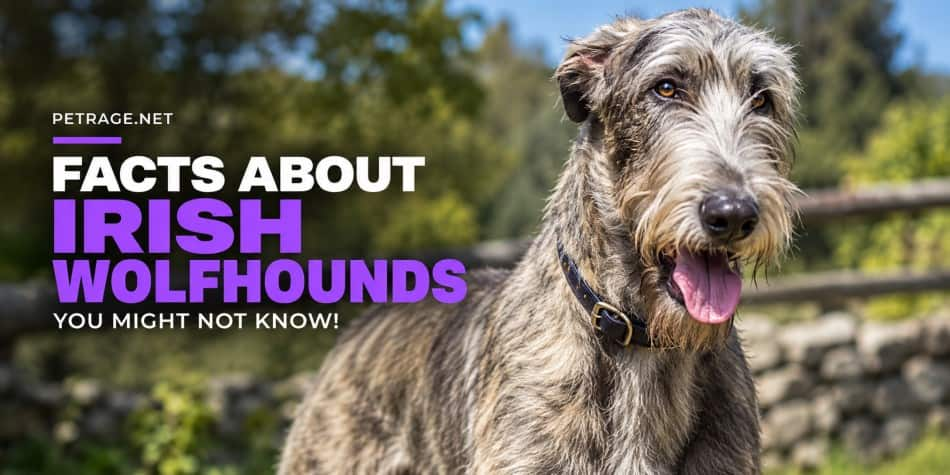
The Irish Wolfhound is a giant in both size and temperament — typically gentle, calm, and quietly affectionate with its family. Despite their towering height, most Wolfhounds are patient and good-natured indoors, often forming deep bonds with children and other pets. But living with one means committing to a truly massive dog with significant space, food, and veterinary needs. They mature slowly, take up literal and emotional room in your home, and have one of the shorter lifespans among dog breeds. For those prepared for the scale — and the eventual heartbreak — an Irish Wolfhound can be a remarkably tender and dignified companion.
Irish Wolfhound — At a Glance
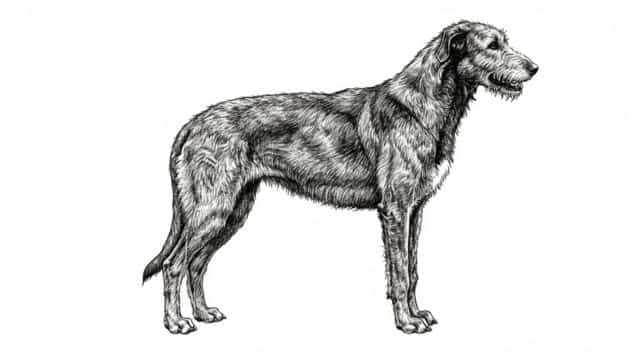
Temperament: Gentle, dignified, calm
Breed Type: Giant sighthound
Height: 30–35+ inches
Weight: 105–180 pounds
Lifespan: 6–8 years
Shedding: Moderate
Exercise Needs: Moderate
Good for Families: Yes
Best for Owners: Space-appropriate, prepared households
Origin: Ireland
Size: Giant

Irish Wolfhound History
The ancestors of today’s Irish Wolfhound have a history stretching back more than 1,600 years. In 391 A.D., Roman statesman Quintus Aurelius Symmachus wrote about seven great Irish hounds sent to him as a gift, remarking that “all Rome viewed them with wonder.” Ireland’s great hounds became legendary hunters of wolves, wild boar and deer, and traditional breed histories even credit their ancient ancestors with hunting the enormous Irish elk, a prehistoric deer that stood around six feet at the shoulder. So valuable were these hounds that in 1652 Oliver Cromwell prohibited their export from Ireland, helping ensure enough remained for the country’s continuing war against wolves.
Irish Wolfhound Traditional Uses
Wolf Hunters – Irish Wolfhounds were bred for serious work. These enormous, fast hounds hunted wolves and other big game such as wild boar and deer. Their reputation as wolf hunters became so closely tied to the breed that, after wolves disappeared from Ireland in the 18th century, the dogs themselves nearly faded away as their traditional job vanished.
War Dogs – Irish Wolfhounds weren’t limited to the hunt. Historical accounts describe them being used as auxiliaries in war, where their size and strength made them intimidating battlefield companions. They were said to pull warriors from chariots and horseback—and even drag armored riders from their mounts.
Royal Gifts – These dogs were so impressive and valuable that they became prized gifts among rulers and nobility. Irish hounds were sent to important figures across Europe and beyond, and an account from 391 A.D. describes seven Irish dogs creating a sensation when they arrived in Rome.
Irish Wolfhound Dog Breed Nears Extinction
By the 1800s, the once-famous Irish Wolfhound had become so rare that the breed was in danger of disappearing altogether. Enter Scotsman Captain George Augustus Graham, a devoted Deerhound enthusiast who made it his mission to bring the great Irish hound back. Beginning in the 1860s, Graham searched for dogs believed to carry surviving Irish Wolfhound blood and carefully rebuilt the breed, relying heavily on Scottish Deerhounds along with blood from Great Danes, Borzoi, and even a Tibetan dog. His decades-long effort helped establish the Irish Wolfhound we recognize today, and in 1885 he helped found the Irish Wolfhound Club and develop the breed standard.
Irish Wolfhound Closest DNA Ancestors
In Landmark Research on Modern Dog Breed development, the Irish Wolfhound has been shown to share the most DNA with an ancestor of the following breeds:
Scottish Deerhound
Great Dane
Greyhound
Wolfhounds and Anesthesia
As with other sighthounds the Irish Wolfhound breed is known to be sensitive to certain types of anesthesia. In particular, they have a heightened sensitivity to medications in the class of barbiturates. This means that extra caution must be taken when administering anesthesia to Irish Wolfhounds, as they may have adverse reactions or experience complications during or after surgery.
How Large is an Irish Wolfhound?
Irish Wolfhounds are among the tallest dogs in the world. According to FCI breed standard, adult males are expected to stand at least about 31.5 inches at the shoulder, and many reach 32–34 inches or more. They can easily weigh over 120 pounds. Accepted coat colors are:
“grey, brindle, red, black, pure white, fawn or any colour that appears in the Deerhound”
Growing Up Wolfhound
Create Your FREE Video Here!
How Fast Can an Irish Wolfhound Run?
The American Kennel Club (AKC) Conducts Dog Racing Trials each December in Orlando, FL. called the Fast CAT Invitational. This is a 100 yard race where dogs run individually chasing a lure. The average running speed by Irish Wolfhound’s is almost 22 mph. The fastest recorded speed by a Wolfhound was by a dog named Lions Heart Queen Isabeau at 28.96 mph!
Irish Wolfhound Temperament & Personality
The University of Pennsylvania’s C-BARQ canine behavior research provides an interesting look at the Irish Wolfhound’s famously gentle reputation. In the breed data, Irish Wolfhounds ranked 122nd out of 124 breeds for stranger-directed aggression and 121st out of 124 for dog-directed aggression—placing them among the lowest-scoring breeds in both categories. While every dog is an individual, those numbers fit remarkably well with the Irish Wolfhound’s reputation as a calm, friendly and generally non-aggressive giant.
Irish Wolfhound Temperament with Strangers
Irish Wolfhounds also scored remarkably low for stranger-directed fear in the C-BARQ research, ranking 123rd out of 124 breeds. In other words, they were among the breeds least likely to show fearful or wary behavior when approached by unfamiliar people. Rather than shrinking away, trembling, or becoming visibly uneasy, the typical Wolfhound tends to meet strangers with the calm, composed manner for which the breed is famous. Individual dogs vary, of course, but the numbers strongly support their reputation as confident and easygoing around people they don’t know.
Wolfhound Humor!

Irish Wolfhound Intelligence
In the Landmark Book entitled, “The Intelligence of Dogs”, professor Stanley Coren researched and documented the intelligence of over 130 different dog breeds. In his book, the Irish Wolfhound ranks 41 out of 138 breeds in working/obedience intelligence. Essentially this means they will learn new commands in 25 to 40 repetitions and obey first commands more than 50% of the time. This puts them in the “average working and obedience intelligence” category. In contrast, the most intelligent breeds will learn the same command in 5 repetitions or less!
Irish Wolfhound Health and Lifespan
Irish Wolfhounds typically live about 6–8 years, although exceptional individuals have lived much longer. One remarkable Wolfhound, Killykeen Kildevin, lived to an extraordinary 16 years and 6 months.
Heart disease is one of the breed’s major health concerns. Research has found abnormal ECG readings in roughly 30% of Irish Wolfhounds, although many of these dogs never develop obvious symptoms. Atrial fibrillation and dilated cardiomyopathy are especially important concerns in the breed. Irish Wolfhounds also have an increased risk of osteosarcoma (bone cancer), gastric dilatation-volvulus (bloat), portosystemic liver shunts, and orthopedic problems including hip dysplasia.
Irish Wolfhound Price
Expect to pay around $2,000–$3,500 for an Irish Wolfhound puppy from a reputable breeder, with prices varying by location and breeder. Follow the Learn More link below for a complete breakdown of puppy prices, first-year expenses, annual costs, and estimated lifetime ownership costs.
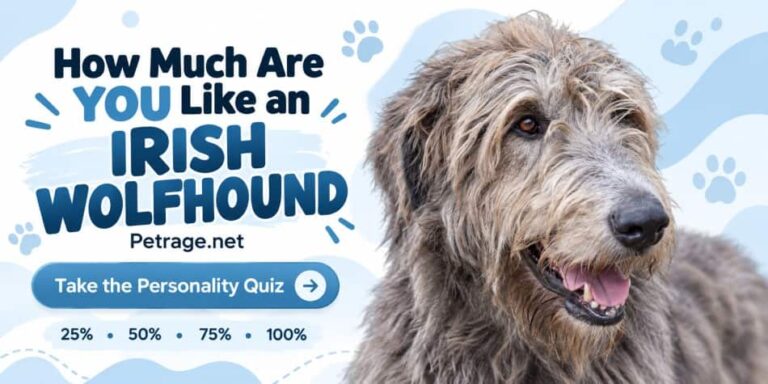
Check Your Irish Wolfhound Facts and take a Fun Wolfhound Quiz!



Quick Facts About Irish Wolfhounds

Irish Wolfhound Facts-Final Thoughts
Few dog breeds combine such an imposing appearance with such a famously gentle personality. The Irish Wolfhound is one of the tallest dog breeds in the world, yet behind that enormous frame is typically a calm, dignified and affectionate companion. Their history is every bit as impressive as their size—from ancient Irish hounds admired in Rome to legendary wolf hunters and highly prized dogs of nobility.
Of course, living with an Irish Wolfhound is a serious commitment. Their size means they need plenty of room, appropriate exercise, thoughtful training and an owner prepared for the higher food, veterinary and general care costs that come with a giant breed. Their relatively short lifespan and predisposition to certain health problems are also important considerations for anyone thinking about bringing one home.
For the right household, however, the Irish Wolfhound offers something special: an extraordinary combination of size, history, courage and gentle companionship. Whether you’re researching Irish Wolfhound puppies, considering the breed for your family, or simply fascinated by these ancient giants, there is much more to the Irish Wolfhound than its towering height—and that’s exactly what makes the breed so memorable.